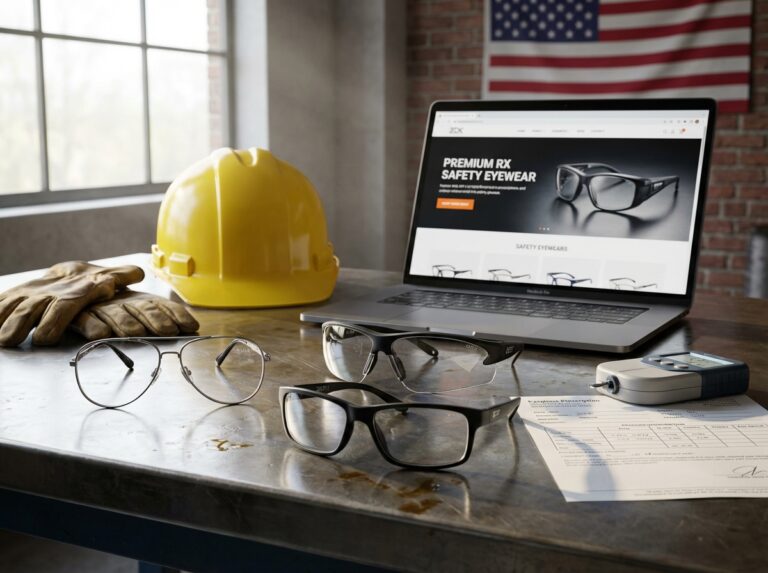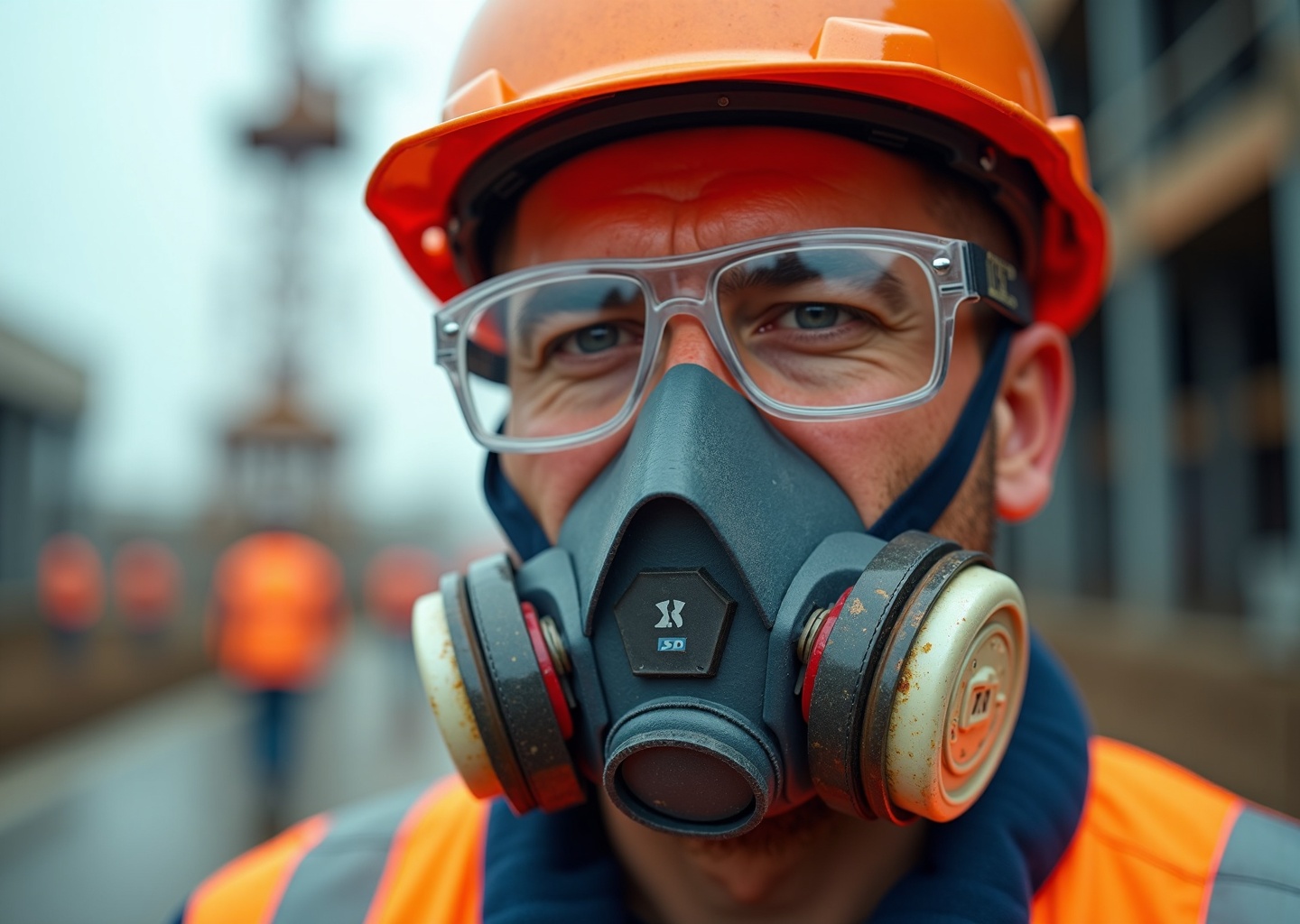
Fogged safety glasses reduce visibility and increase risk on the job. This guide explains why fogging happens, how anti-fog technologies work, and how to choose, test, and maintain safety eyewear that stays clear in real-world conditions. Read on for model recommendations, compatibility tips with respirators and helmets, and practical cleaning routines for long-lasting performance.
Why safety glasses fog and what anti-fog tech does
Lens fogging is a simple matter of physics, but it creates a serious safety hazard on the job. It happens when warm, humid air comes into contact with a cooler surface—in this case, the lens of your safety glasses. This temperature difference causes the water vapor in the air to condense into thousands of tiny liquid droplets on the lens. These light-scattering droplets create the effect we see as fog, obscuring vision. Workplace conditions are a perfect storm for this process. High humidity in the environment, your own body heat, and sweat from physical exertion all load the air around your face with moisture. The problem is made significantly worse when you wear a dust mask or respirator. These devices channel your warm, moist breath directly upward, blasting the inside of your lenses with a concentrated stream of vapor that can cause them to fog up in seconds.
To combat this, manufacturers use three primary anti-fog strategies. Each one tackles the problem of water droplets in a different way.
- Hydrophilic Coatings
The word “hydrophilic” means water-loving. These advanced coatings are designed to attract and absorb water molecules. Instead of letting moisture form tiny, vision-blocking droplets, a hydrophilic coating pulls the water in and spreads it across the lens surface into an invisible, ultra-thin film. This uniform layer of water is transparent, so you can see right through it. This is one of the most effective and durable types of anti-fog technology, often found on premium safety eyewear like models with Uvex’s Hydroshield coating. - Hydrophobic and Surfactant Treatments
These treatments work by reducing the surface tension of the water droplets. A surfactant is a compound that, when applied to the lens, prevents the water from beading up. The droplets are forced to collapse and spread out into a thin, clear sheet. This is the principle behind most temporary anti-fog sprays and wipes. While effective, these treatments are less durable than bonded hydrophilic coatings and need to be reapplied regularly. - Ventilation Solutions
This approach focuses on airflow rather than chemistry. Safety goggles often feature indirect vents, which are small, covered openings that allow hot, moist air to escape from inside the goggle while preventing splashes or dust from getting in. A full foam or rubber gasket seal is another ventilation strategy. By creating a tight seal around your eyes, it isolates the lenses from the humid air produced by your breath and sweat, maintaining a pocket of clearer, drier air.
A critical distinction exists between factory-applied coatings and aftermarket treatments. Permanent coatings are chemically bonded to the lens during manufacturing, offering long-lasting performance that can withstand repeated cleanings. Temporary sprays or wipes provide a short-term fix but wear off quickly and must be reapplied, sometimes every few hours in demanding environments. There is also a common tradeoff to consider. The properties that make a coating excellent at managing moisture can also make it softer and more prone to scratching. It’s not uncommon for a high-performance anti-fog lens to be less scratch-resistant than a lens with a standard hard coat.
The lens material itself also plays a role. Polycarbonate is the most common material for safety glasses due to its incredible impact resistance. However, achieving a durable anti-fog coating bond on polycarbonate can be challenging for manufacturers. Trivex is a newer material that offers better optical clarity and is often more receptive to coatings, but it comes at a higher price. Glass lenses are naturally resistant to fog and scratches but are heavy and can shatter on impact, making them a poor choice for most workplace eye protection.
Finally, even the most advanced anti-fog technology can fail if the glasses don’t fit properly. A poor fit leaves gaps between the frame and your face, creating a direct path for your warm breath to reach the lenses. Similarly, if your safety glasses interfere with your respirator or hard hat, it can break the seal of your mask or create channels that funnel air toward your eyes. Proper fit and seamless integration with your other PPE are essential for keeping your vision clear and your focus on the task at hand.
How to choose anti-fog safety glasses for your job
Choosing the right anti-fog safety glasses isn’t just about clear vision; it’s about finding a tool that integrates seamlessly into your workday. When you’re dealing with dust, sweat, or drastic temperature changes, the last thing you need is to be constantly wiping your lenses. This buyer’s checklist breaks down what to look for, helping you select eyewear that protects you effectively without the frustration of fog.
Core Protection and Lens Features
Before you even think about anti-fog performance, make sure the glasses meet fundamental safety standards. These features are non-negotiable for any professional environment.
-
ANSI Z87.1 Compliance
This is the baseline for safety eyewear in the US. Look for the “Z87” stamp on the frame or lens. For jobs with high-velocity hazards, like grinding or machining, you need the “Z87+” rating, which signifies the glasses have passed more rigorous impact tests. -
Impact Protection and Lens Material
Most safety lenses are made from polycarbonate because it’s lightweight and highly impact-resistant. Trivex is another option, offering slightly better optical clarity but at a higher cost. -
Coverage and Shields
Your eyes need protection from all angles. Wraparound designs offer good peripheral coverage, but for environments with flying debris or chemical splashes, integrated side shields are essential for complete lateral protection. -
UV Protection
If you work outdoors, even on cloudy days, your eyewear should block at least 99.9% of UVA and UVB rays. This is a standard feature on most quality safety glasses but always worth confirming. -
Tints and Polarization
Clear lenses are for indoor use. For outdoor or variable light conditions, consider tinted lenses. A gray tint with a Visual Light Transmission (VLT) of around 23% is a versatile choice for moving between indoors and outdoors. Polarized lenses are excellent for reducing glare but can sometimes interfere with viewing LCD screens and may be slightly more prone to fogging due to their oleophobic properties. -
Prescription Compatibility
If you wear corrective lenses, look for models that accommodate prescription inserts (Rx inserts) or are designed to fit comfortably over your existing glasses (OTG models).
Anti-Fog Technology and Design
With the safety basics covered, you can focus on the features that directly combat fogging. The right choice depends heavily on your work environment and exertion level.
-
Anti-Fog Coatings
Look for glasses with a factory-applied, permanent anti-fog coating. These are far more durable than temporary sprays. Some manufacturers use specific trade names for their high-performance coatings, like Uvex HydroShield or 3M Scotchgard, which are tested to rigorous standards like EN166. These coatings are typically hydrophilic, pulling moisture into a thin, transparent film. -
Ventilation and Gaskets
For physically demanding jobs that produce a lot of sweat, glasses with indirect vents allow air to circulate and moisture to escape. In high-humidity environments or where chemical splash is a risk, sealed goggles with a foam or rubber gasket are superior. The gasket creates a barrier against humid ambient air, preventing fog from forming on the inside of the lens. -
Helmet and Respirator Fit
If you wear a hard hat or respirator, your eyewear must fit without creating gaps in the seal. Look for low-profile frames, flexible or thin temple arms, and adjustable straps that sit comfortably under or over other PPE.
Fit, Comfort, and Long-Term Use
A pair of safety glasses is useless if it’s too uncomfortable to wear for a full shift. Pay attention to the small details that make a big difference over eight or more hours.
-
Weight and Balance
Aim for a lightweight frame, ideally under 30 grams. Well-balanced glasses won’t create pressure points on your nose or behind your ears. -
Adjustability
Features like adjustable soft nose pads and pivoting temple arms allow you to customize the fit, ensuring the glasses stay put without pinching or slipping. For goggles, an elastic strap should be wide and easily adjustable. -
Replaceable Lenses
Some premium models offer replaceable lenses. This is a cost-effective feature, as anti-fog coatings can degrade over time or get scratched, and replacing just the lens is cheaper than buying a whole new pair.
A Quick Guide to Choosing
To simplify your decision, follow this logical flow. For more details, this guide on choosing anti-fog glasses offers additional context.
- Assess Your Environment
Are you dealing with high humidity, extreme temperatures, dust, or chemical splashes? - Determine Your Protection Level
Do you need basic Z87.1 impact resistance or the higher Z87+ rating? Do you require a full seal for splash protection? - Select an Anti-Fog Approach
Choose a premium hydrophilic coating for humidity and sweat. Opt for indirect ventilation for high-exertion tasks. Consider gasketed goggles for extreme conditions. - Prioritize Fit and Integration
Ensure the eyewear is comfortable for long shifts and works with your other PPE like helmets and respirators.
Top anti-fog safety glasses and how they perform in real use
After you’ve narrowed down the features you need, the next step is finding a model that delivers on its anti-fog promises. We’ve reviewed some of the most reliable and widely used safety glasses on the market, organizing them by the jobs they do best.
Best Overall for Industrial Use
Uvex Seismic Sealed Safety Glasses (S0600HS)
These glasses stand out because of their exceptional Uvex HydroShield coating, which consistently ranks as a top performer in independent fogging tests. The technology is a hydrophilic coating that absorbs moisture, combined with a removable foam gasket that seals the eye area. This dual approach makes it incredibly effective in demanding conditions.
- Anti-Fog Solution: Hydrophilic lens coating and a full foam gasket.
- Specs: ANSI Z87.1+, polycarbonate lens, 99.9% UV protection, replaceable lenses and gasket.
- Pros & Cons: Unmatched fog resistance in steam and humidity. The gasket provides excellent dust protection. However, some users report that moisture can pool at the bottom of the frame inside the gasket during heavy sweating.
- Best For: Manufacturing, high-humidity industrial sites, and dusty environments like concrete work or milling.
Best Budget Anti-Fog Safety Glasses
NoCry Clear Safety Glasses
For less than $20, the NoCry glasses offer performance that rivals more expensive models. They use a proprietary coating that resists both fogging and scratching, and their lightweight, adjustable design makes them comfortable for long periods. They are a go-to choice for large crews where cost is a factor.
- Anti-Fog Solution: Hydrophilic and scratch-resistant lens coating.
- Specs: ANSI Z87.1, polycarbonate lens, 99.9% UV protection, non-replaceable lens.
- Pros & Cons: Very lightweight and comfortable with adjustable arms for a custom fit. The anti-fog coating works well for moderate exertion. They are not Z87+ rated, so they aren’t suitable for high-velocity impact hazards.
- Best For: General construction, woodworking, landscaping, and warehouse work.
Best for Respirator and Mask Compatibility
3M Virtua CCS Protective Eyewear
Designed specifically for workers who need to wear multiple pieces of PPE, the Virtua CCS features a slim, low-profile frame and temples. This design minimizes interference with half-mask respirators or N95 masks, reducing the channels where warm, moist air can escape upwards onto the lenses.
- Anti-Fog Solution: 3M Scotchgard Anti-fog Coating.
- Specs: ANSI Z87.1, polycarbonate lens, 99.9% UV protection, features a foam gasket and Cord Control System for earplugs.
- Pros & Cons: The slim frame sits comfortably under masks and hard hats. The Scotchgard coating is durable. The field of vision is slightly more restricted than in larger, wraparound styles.
- Best For: Healthcare workers, painters, manufacturing assembly lines, and anyone wearing a respirator for extended periods.
Best for High-Humidity or Cold-Weather Conditions
Pyramex I-Force Sporty Dual Pane Goggle
The key to the I-Force’s performance is its dual-pane lens. Much like a double-pane window, the air gap between the outer and inner lenses insulates the inner lens from cold outside temperatures. This thermal barrier dramatically reduces the chance of condensation forming when you move from cold to warm environments.
- Anti-Fog Solution: Dual-pane lens design with an outer H2X anti-fog coating.
- Specs: ANSI Z87.1+, polycarbonate lenses, 99.9% UV protection, replaceable lenses.
- Pros & Cons: Excellent fog prevention in extreme temperature shifts. The goggle-style fit offers great protection from wind and debris. It is bulkier than standard safety glasses.
- Best For: Outdoor winter construction, refrigerated warehouse logistics, and ski patrol or utility work in cold climates.
Best for Lab and Chemical Splash Protection
DEWALT DPG82-11C Concealer Goggle
This goggle creates a robust seal against the face with its dual-injected rubber gasket, making it ideal for protecting against liquid splashes and fine particulates. The ventilation channels are indirect, allowing air to circulate and heat to escape without letting contaminants in.
- Anti-Fog Solution: “XtraClear” anti-fog lens coating and indirect ventilation.
- Specs: ANSI Z87.1, polycarbonate lens, 99.9% UV protection.
- Pros & Cons: Provides a superior seal for splash and dust hazards. The soft rubber is comfortable on the face. The full seal can feel warm during physically demanding tasks.
- Best For: Laboratory work, chemical handling, grinding, and abatement jobs.
Best Premium Multi-Feature Model
HTS HUNTERSKY Ballistic Safety Glasses
For jobs that demand high performance across the board, these military-grade glasses deliver. They combine high-velocity impact protection with a premium anti-fog coating and exceptional optical clarity. The focus is on durability and reliability in unpredictable conditions.
- Anti-Fog Solution: Advanced anti-fog and anti-scratch lens coating.
- Specs: Exceeds ANSI Z87.1+, polycarbonate lens, UV400 protection (100% UVA/UVB).
- Pros & Cons: Extremely durable and clear lenses that resist fogging during intense activity. The wraparound design offers excellent peripheral protection. They come at a higher price point.
- Best For: Law enforcement, tactical applications, high-risk industrial settings, and shooting sports.
Putting Anti-Fog Claims to the Test
Before committing to a bulk purchase, you can verify a model’s performance with a few simple field tests.
- The Warm Breath Test: Hold the glasses about an inch from your mouth and exhale steadily onto one lens for five seconds. A high-performing coating will prevent significant fog from forming, or the fog that does form will vanish in under 10 seconds.
- The Steam Test: Carefully hold the glasses over a cup of hot water for 30 seconds. The lenses should remain mostly clear. If they fog over completely and stay that way, the anti-fog capability is weak.
- The Cold-to-Warm Transition Test: Place the glasses in a cool environment (like a refrigerator, not a freezer) for 10 minutes, then bring them into a warm room and put them on. They should not fog up, or any fog should clear within 15 seconds.
For a real-world evaluation, conduct a 15 to 30-minute wear test while performing light physical activity. Pay attention to whether fog forms during exertion and, more importantly, how quickly it dissipates when you stop. It should clear in less than five seconds. Also, note any pressure points on your nose or behind your ears.
A Note on Durability, Warranties, and Complaints
No anti-fog coating is permanent. With daily use and cleaning, expect a factory-applied coating’s effectiveness to diminish over 6 to 12 months. A common complaint is that anti-fog coatings are softer and scratch more easily than standard hard coats. When comparing models, look at the warranty. NoCry, for example, offers a lifetime warranty on its frames, which is a strong indicator of durability. Most brands like DEWALT offer a one-year limited warranty. Use the initial 30-day return period offered by most retailers to ensure a new model performs as expected on your job site before outfitting your entire team.
Frequently Asked Questions about anti-fog safety eyewear
Are anti-fog coatings permanent?
No, they aren’t truly permanent, but there’s a big difference between factory-applied coatings and temporary sprays. High-quality, factory-bonded coatings are chemically adhered to the lens and can last for months or even a year with proper care. However, all coatings degrade over time. Through repeated cleaning, exposure to debris, and general wear, a premium coating can lose 20-50% of its effectiveness after six months of daily, heavy use.
- Do: Clean gently with a microfiber cloth and manufacturer-approved lens cleaner to prolong the coating’s life.
- Don’t: Assume “permanent” means indestructible. Avoid abrasive materials and harsh chemicals at all costs.
- Troubleshooting Tip: If your factory coating starts to fail, you can use an anti-fog spray as a temporary fix, but for reliable performance, it’s best to replace the lenses or the glasses entirely.
How often should I reapply anti-fog spray?
This depends entirely on your work environment and exertion level. For someone in a hot, humid setting or performing strenuous work that causes heavy sweating, reapplication might be needed every 8-12 hours for consistent clarity. For less demanding, climate-controlled conditions, a weekly application might be sufficient. The key is to reapply proactively, before performance drops, rather than waiting until your vision is already obscured.
- Do: Apply a thin, even layer to a clean, dry lens and allow it to cure completely as directed by the manufacturer.
- Don’t: Over-apply the spray. Too much product can lead to a hazy, streaky film that impairs vision more than it helps.
- Troubleshooting Tip: If you see streaks after application, you’ve used too much. Gently buff the lens with a clean, dry microfiber cloth until the view is clear.
Will anti-fog coatings scratch faster?
Yes, this is a common trade-off. Most anti-fog coatings work by being hydrophilic, meaning they absorb and spread moisture into a thin, non-obstructive film. This property requires a softer, more porous surface layer than a standard hard coat. As a result, lenses with anti-fog coatings can be 15-25% more susceptible to scratching than untreated lenses. While premium technologies like 3M’s Scotchgard Anti-Fog Coating are designed for better durability, careful handling is still essential.
- Do: Always store your safety glasses in a protective pouch or case when not in use.
- Don’t: Wipe your lenses with your shirt, a paper towel, or any rough fabric. This is the fastest way to create micro-scratches and ruin the coating.
- Troubleshooting Tip: Once a scratch occurs, the anti-fog property in that specific area is compromised. Minor scratches may be tolerable, but significant damage warrants a replacement.
Can I use alcohol or ammonia cleaners?
Absolutely not. Cleaners containing alcohol, ammonia, solvents, or other harsh chemicals will strip the delicate anti-fog coating right off the lens. They can also degrade the polycarbonate material itself, making it brittle over time. Using the wrong cleaner is one of the most common ways people accidentally destroy their anti-fog eyewear.
- Do: Clean your lenses with lukewarm water and a drop of mild soap, or use a cleaning solution specifically formulated for coated lenses.
- Don’t: Ever use Windex, industrial degreasers, or alcohol wipes on your safety glasses.
- Troubleshooting Tip: If you’ve accidentally used a harsh chemical, the damage is irreversible. The original coating cannot be restored.
Do polarized lenses fog more?
They can, but the effect is usually minor. Polarization is a separate filter designed to reduce glare, and it doesn’t directly cause fogging. However, some polarized lenses also feature oleophobic (oil-repelling) coatings that can slightly interfere with the hydrophilic (water-attracting) function of an anti-fog layer. In very humid conditions, you might notice a slight increase in fogging tendency compared to non-polarized lenses with the same anti-fog tech.
- Do: Prioritize a top-tier anti-fog coating if you need polarized lenses for a high-humidity job.
- Don’t: Avoid polarized lenses out of fear of fog. For most users, the anti-glare benefit far outweighs any minimal impact on fogging.
- Troubleshooting Tip: If your polarized glasses are fogging, double-check the fit to ensure exhaled air isn’t being directed onto the lenses.
How to prevent fog when wearing a respirator or N95?
The battle here is won with a good seal. Fogging occurs when your warm, moist breath escapes from the top of the mask and condenses on your cooler lenses. The solution is to direct that air away. First, ensure your mask fits snugly, using the metal nose piece to form a tight seal against your face. Second, choose low-profile safety glasses that sit close to your face and don’t get pushed up by the mask. Models with a foam gasket, like some of the goggles reviewed, create a secondary seal around your eyes that is highly effective.
- Do: Test the fit of your mask and glasses together before starting work. There should be no gap between the top of the mask and your nose bridge.
- Don’t: Wear bulky glasses that interfere with your mask’s seal.
- Troubleshooting Tip: For a foolproof seal, some workers apply a small strip of skin-safe medical tape over the top edge of their mask.
What maintenance routine preserves anti-fog performance?
A simple, gentle, and consistent routine is your best bet.
- Clean Correctly: Clean lenses only when necessary using approved methods. Over-cleaning can wear down the coating faster.
- Dry Gently: Pat the lenses dry with a clean microfiber cloth. Never rub aggressively.
- Store Safely: When you take them off, put them in a microfiber pouch or a hard case. This protects them from scratches, dust, and impacts that can damage the coating.
- Do: Keep a dedicated microfiber cloth just for your eyewear.
- Don’t: Leave your glasses loose in a toolbox, on a car dashboard, or hanging from your shirt collar.
- Troubleshooting Tip: If you notice a decline in performance, first give the lenses a thorough, proper cleaning. Sometimes a buildup of oils or fine dust is the culprit, not a failed coating.
Are goggles better than glasses for fog resistance?
In general, yes. Goggles create a complete seal around your eyes, which isolates the inner lens surface from external humidity and your own breath. This design makes them inherently more resistant to fogging, outperforming glasses by a significant margin in extreme conditions. Many goggles also incorporate indirect vents that allow air to circulate and moisture to escape without letting in splashes or debris.
- Do: Opt for sealed goggles in high-humidity, high-splash, or dusty environments where fogging is a constant challenge.
- Don’t: Assume any pair of goggles will be fog-free. The quality of the lens coating and the ventilation design are still critical factors.
- Troubleshooting Tip: If your goggles fog up, make sure the vents are not clogged with debris and that the strap provides a firm but not overly tight seal.
Can anti-fog glasses be used with prescription inserts?
Yes, many models are designed to accommodate prescription (Rx) inserts. An Rx insert is a small, separate frame that holds your prescription lenses. It clips in securely behind the main protective shield of the safety glasses. This is an excellent system because it keeps your expensive prescription lenses safe from impact and scratches, while allowing you to benefit from the anti-fog and safety features of the outer lens. You can find more information about compatible models on sites like Safety Glasses USA.
- Do: Confirm that a specific model is Rx-insert compatible before purchasing. Your optician can then fit the correct lenses into the insert frame.
- Don’t: Try to force an insert into a pair of glasses not designed for it, as this can compromise both fit and safety.
- Troubleshooting Tip: In some cases, fog can form on the prescription lens itself. Ensure there is some airflow between the insert and the outer lens.
What standards should I look for and how to verify authenticity?
The most important marking to look for is ANSI Z87.1. This standard, set by the American National Standards Institute, guarantees that the eyewear meets specific requirements for impact resistance. A “Z87+” marking indicates it has passed even more rigorous high-velocity impact tests. To verify authenticity, look for the “Z87” stamp directly on the frame and lenses. While there isn’t a universal anti-fog standard marked on glasses, reputable brands will often specify the technology used (e.g., HydroShield) and may reference performance against military (MIL-PRF) or European (EN166 ‘N’) anti-fog tests in their product data sheets.
- Do: Purchase from authorized dealers and well-known brands to ensure you are getting a genuinely certified product.
- Don’t: Trust glasses without the proper ANSI markings, especially for hazardous work. Vague marketing claims like “super fog proof” are no substitute for certified standards.
- Troubleshooting Tip: If a deal seems too good to be true, it probably is. Check user reviews and independent test reports before relying on an unknown brand for your safety.
Final takeaways and buying recommendations
After reviewing the technologies, models, and maintenance, let’s distill it all into a clear action plan. The single most important takeaway is this: there is no universally perfect, permanently fog-free safety glass. Performance is a dynamic balance between the lens coating, frame design, your work environment, and your own body heat and perspiration. A premium factory-applied coating is your best starting point, but it’s not a “set it and forget it” solution. True success comes from matching the right technology to your specific job hazards and committing to proper care.
Your selection process should always come back to three core pillars. First is the anti-fog technology itself; premium hydrophilic coatings that absorb moisture, like the Uvex Hydroshield, consistently perform best in high-humidity and high-exertion scenarios. Second is the frame design and ventilation. Gaskets and full seals are essential for splash protection and work with respirators, while indirect vents are critical for managing sweat in active jobs. Finally, and most critically, is fit and PPE integration. The most advanced coating in the world will fail if warm, moist air from your breath consistently leaks in around the edges of the frame, especially when wearing a dust mask or N95 respirator. A snug, complete seal around the eyes is non-negotiable.
To make your decision easier, here are prioritized buying checklists for common work environments.
- For General Construction & Trades
Your priorities are impact resistance, sweat management, and durability.- Look for an ANSI Z87.1+ rating for high-velocity impact protection.
- Choose a wraparound frame with integrated side shields and indirect ventilation to allow airflow without letting debris in.
- Select a model with a dual anti-fog and anti-scratch coating, as lenses on a job site take a beating. Look for models praised for balancing both features.
- For Healthcare & Laboratory Settings
Here, the focus is on splash protection, compatibility with respirators, and sterilizability.- Prioritize a gasketed or fully sealed goggle design to provide a barrier against splashes and aerosols.
- Ensure the anti-fog coating is hydrophobic and can withstand cleaning with common disinfectants like IPA wipes without degrading.
- Select a low-profile frame that sits snugly against the face to create a reliable seal beneath an N95 respirator or face shield.
- For Cold Weather & Outdoor Work
The main challenge is the extreme temperature difference between your body and the outside air.- Dual-pane or thermal lenses are your best defense. They create an insulating air gap that dramatically reduces condensation, much like a double-pane window.
- A close-fitting frame or a goggle with a soft foam seal is crucial to block cold wind and prevent tearing, which adds moisture.
- Opt for a high-quality hydrophilic coating that can manage the heavy condensation from breathing hard in frigid temperatures.
- For Chemical Handling
Protection from chemical splash and vapors is paramount, and fog can be a serious danger.- Verify that the lens and frame materials are rated for the specific chemicals you handle (look for standards like ASTM D543).
- A fully sealed goggle with indirect vents is mandatory. This design protects from splashes while allowing just enough airflow to mitigate fogging.
- Choose a robust, factory-bonded coating that won’t be compromised by chemical vapors or required cleaning protocols.
Once you’ve made your choice, preserving the anti-fog performance is up to you. Follow these simple rules to maximize the coating’s lifespan. Always clean lenses gently using a microfiber cloth and either water or a manufacturer-approved lens cleaner. Never use abrasive paper towels or harsh chemicals like alcohol or ammonia. When you’re not wearing them, store your glasses in a protective case to shield the lenses from scratches and UV degradation. Pat the lenses dry; never rub them aggressively, as this can wear down the delicate coating over time.
Finally, the most practical advice for any safety manager or crew leader is to test before you invest. The performance data and reviews in this guide will get you 90% of the way there, but the final 10% is unique to your workplace. Before placing a bulk order, purchase a few pairs of your top two or three choices. Give them to workers in the most demanding roles and get their feedback after a week of real-world use. This small step confirms compatibility with other PPE, validates performance in your specific conditions, and ensures you’re making the best possible investment in your team’s safety and visibility.
Sources
- 10 Best Anti Fog Safety Glasses (Reviews) 2025 – Grand Goldman
- What is the Best Anti-Fog Eyewear? – Feature Friday
- Best Safety Glasses and Goggles for 2025 – Popular Mechanics
- Best Shooting Glasses Of 2025 [Hands-On] – Top Firearm Reviews
- Top 5 Best Safety Glasses in 2025 – YouTube
- How To Choose The Best Anti-Fog Safety Glasses – Blog – Droppe
- The Best Safety Glasses | Tested & Rated – Tech Gear Lab
- Safety Glasses USA Customer Reviews, Ratings, and Comments
Legal Disclaimers & Brand Notices
The content provided in this article is for informational and educational purposes only. It is not intended to constitute professional safety advice, a substitute for official workplace safety training, or a guarantee of product performance. Readers should always consult official product documentation, follow manufacturer instructions, and adhere to all applicable local, state, and federal safety regulations (including those set by ANSI and OSHA) before selecting and using personal protective equipment (PPE).
All product names, logos, and brands are property of their respective owners. The use of these names, trademarks, and brands does not imply endorsement or affiliation. Specific brands mentioned in this article include, but are not limited to:
- Uvex (a brand of Honeywell)
- 3M (including Scotchgard Anti-fog Coating)
- DEWALT
- NoCry
- Pyramex
- HTS HUNTERSKY
Any claims regarding product performance, including anti-fog capabilities and compliance with standards like ANSI Z87.1, are based on manufacturer specifications and publicly available information. Performance in real-world conditions may vary.