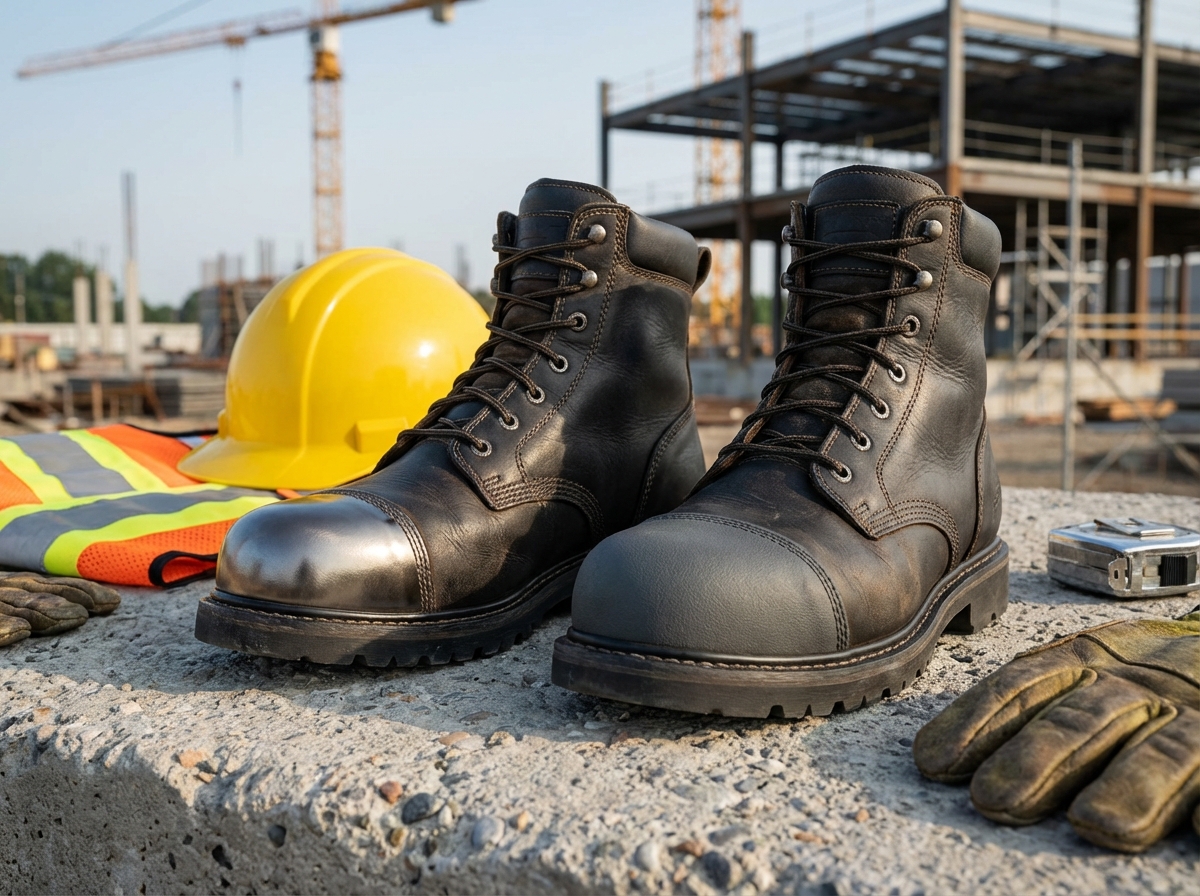
Choosing the right safety toe can affect comfort, mobility, and protection on the job. This guide compares steel toe and composite toe boots for common work hazards, explains relevant standards and industry use cases, and gives practical buying, fit, and maintenance advice so you can pick the best PPE for your specific work environment and compliance needs.
Why toe protection matters and how safety standards work
Toe protection is the foundation of foot safety in any environment where heavy materials move. The primary goal is to prevent crushing injuries that can lead to permanent disability. Impact hazards occur when tools, bricks, or equipment fall from a height directly onto the foot. Compression hazards are different. These happen when a heavy object, like a forklift tire or a steel drum, rolls over the foot or rests on it. Both can shatter the delicate bones in your toes without the right shield in place.
A safety toe cap is not a standalone solution. It is one part of a complex protective system. The boot must be engineered to keep that cap from shifting during an accident. If the leather upper is too thin or the sole is poorly bonded, the cap might tilt or collapse under pressure. This is why safety boots are tested as a complete unit. The interaction between the cap, the footbed, and the outsole determines how well the boot absorbs energy and distributes weight during a strike.
Understanding Safety Standards and Markings
In the United States, the gold standard for protective footwear is ASTM F2413. This standard covers the minimum requirements for performance. It ensures that every boot sold as “safety toe” has passed rigorous laboratory testing. If you work for a global company, you might see other markings. EN ISO 20345 is the standard used across Europe and much of the international market. In Canada, look for the CSA Z195 standard, which often features a green triangle on the outside of the boot.
Reading the label inside the tongue or on the side of the boot is the only way to know what you are buying. You will often see a string of letters and numbers. The most common are I/75 and C/75. The I stands for impact. The 75 indicates the boot can withstand an impact of 75 foot-pounds. The C stands for compression. The 75 here means the toe area can handle 2,500 pounds of pressure. These ratings are the highest available under current standards. They provide a baseline of safety for most industrial and construction jobs.
Decoding Additional Protective Features
Beyond the toe cap, boots often include specialized protection for specific risks. You should look for these common abbreviations on the safety label
EH (Electrical Hazard)
These boots are designed with non-conductive, electrical shock-resistant soles and heels. They provide a secondary source of protection against accidental contact with live electrical circuits.
SD (Static Dissipative)
These are used in environments where static electricity can damage sensitive electronics or ignite flammable vapors. They allow static to flow through the boot and into the floor in a controlled way.
PR (Puncture Resistant)
This marking means the boot has a plate, usually made of steel or a high-strength textile, embedded in the midsole. It prevents nails or sharp scrap metal from piercing the bottom of the foot.
Slip Resistance
While not always a single letter code, look for mentions of SR or specific test results. This indicates the outsole has been tested on wet or oily surfaces to reduce the risk of falls.
OSHA Requirements and Employer Responsibility
OSHA guidance for footwear is found in 29 CFR 1910.136 for general industry and 1926.96 for construction. OSHA requires that workers wear protective footwear when there is a danger of foot injuries due to falling or rolling objects, or objects piercing the sole. They also mandate protection where feet are exposed to electrical hazards. However, OSHA does not usually tell you exactly which boot to buy. Your employer is responsible for performing a hazard assessment of your specific job site. They often set the final requirement for whether you need Steel Toe vs. Composite Toe Boots: Which is Best for Your Job? based on the risks they identify.
Certification Verification Checklist
Before you commit to a pair of boots, use this checklist to confirm they are authentic and provide the protection you need
- Check the tongue label for the ASTM F2413 marking.
- Verify the impact and compression ratings are I/75 and C/75.
- Look for the manufacturer name and a clear date of manufacture.
- Inspect the outsole for specific heat-resistant or oil-resistant branding.
- Confirm if you need a metatarsal guard (Mt) for top-of-foot protection.
- Check for a puncture plate if your site has sharp debris.
Choosing the right toe protection is the first step in building a safe work kit. Once you understand the standards, you can better evaluate how different materials like steel or composite will perform in your specific environment.
Direct comparison of steel toe and composite toe performance
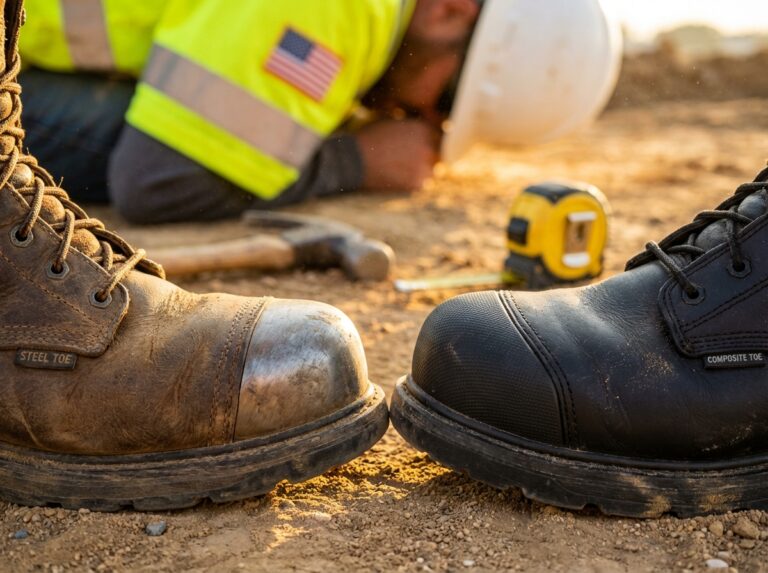
Choosing between steel and composite toe caps requires looking past the safety label. Both materials must pass the same ASTM F2413 tests for impact and compression in the United States. This means they both protect your feet from a 75 pound dropped weight and 2,500 pounds of crushing force. The difference lies in how they achieve this protection and how they feel during a long shift. Steel is a traditional material that relies on the inherent strength of metal. Composite caps use a blend of non metallic materials like carbon fiber, plastic, or Kevlar. These material choices change the weight, thickness, and temperature of the boot.
Weight and Physical Fatigue
Weight is the most immediate difference you will notice when holding these boots. Steel is heavy. A pair of steel toe boots can weigh significantly more than a composite pair. This extra weight might not seem like much in the morning. By the end of a ten hour shift, that weight adds up. Every step requires more energy. This can lead to leg fatigue and lower back pain. Composite toe caps are often 30 percent to 50 percent lighter than steel versions, which significantly reduces the overall weight of the boot. This makes them a better choice for workers who walk several miles a day or climb ladders frequently. Reducing the weight on your feet helps preserve your energy for the actual work. You can read more about how weight affects performance in this guide on Steel Toe vs. Composite Toe Boots: Which is Best for Your Job?
Thermal Conductivity and Environment
Steel is a metal, so it conducts heat and cold very well. If you work in a cold storage warehouse or outside during a New York winter, the steel cap will pull heat away from your toes. This makes your feet feel much colder than the rest of your body. In extreme heat, the metal can also warm up. Composite materials are insulators. They do not transfer heat or cold easily. This keeps your feet at a more stable temperature in harsh environments. Workers in the oil and gas industry or those in refrigerated environments usually prefer composite for this reason. It acts as a thermal barrier rather than a conductor.
Bulk and Fit Implications
Steel is much stronger than composite by volume. Because steel is so strong, the cap can be very thin. This allows the boot to have a sleek, low profile look. Composite materials need to be much thicker to meet the same safety standards. This extra thickness makes the toe box look bulbous or chunky. It also takes up more room inside the boot. If you have wide feet, a composite toe might feel cramped because the material is so thick. Some manufacturers compensate by making the entire boot wider. You can find specific advice on this in the article about Composite Toe vs. Steel Toe Boots: Know The Best One For Wide Feet. Steel is often better for people who want a tighter fit or a boot that looks like a standard work shoe.
Durability and Failure Modes
The way these materials fail under extreme stress is different. Steel is ductile. If a very heavy object falls on it, the steel will dent or bend. It stays in that bent shape. This can sometimes trap the foot, but it rarely shatters. Composite caps are more brittle. Under a massive impact that exceeds their rating, they might crack or shatter. While shattering sounds dangerous, it often allows the material to absorb energy and then clear the space for the foot to be removed. One benefit of steel is that you can see the damage. If a steel toe is dented, you know it needs to be replaced. Composite caps can sometimes sustain internal cracks that are not visible to the eye. Furthermore, steel toe caps are typically treated with a corrosion-resistant coating, but this can wear off if exposed to constant moisture or chemicals, leading to rust. Composite materials are immune to rust and corrosion.
Metal Detectors and Security
For many workers in the U.S., passing through security is a daily task. Steel toes will trigger metal detectors every time. This is a major inconvenience for airport ground crews, court employees, or people working in high security manufacturing plants. Composite toes are completely non metallic. They allow you to walk through a metal detector without taking your boots off. This saves time and frustration during your commute or shift changes. It is a practical consideration that often outweighs other factors for those in specialized environments.
Component Interaction
The toe cap does not work alone. It sits on top of the midsole and is tucked under the upper material. Steel caps are thin, so they leave more room for thick, cushioned insoles. Composite caps are thick, which can sometimes push the foot down toward the midsole. This can change how the boot flexes. A thick composite cap might make the front of the boot feel stiffer. Manufacturers often use specialized outsoles to balance this. For example, a composite boot might have a lighter EVA midsole to further reduce weight. You can compare these features in Composite Toe vs. Steel Toe Boots – The Home Depot.
Steel Toe Pros
- Thinner profile for a better fit in narrow boots
- Higher resistance to sharp, puncturing impacts
- Lower cost in most retail settings
- Visible damage makes it easy to know when to replace them
Steel Toe Cons
- Heavy weight leads to faster leg fatigue
- Conducts cold and heat into the toe box
- Triggers metal detectors and security alarms
- Can rust if the protective coating is compromised
Composite Toe Pros
- Lightweight design for all day comfort
- Non conductive and non metallic for security checkpoints
- Excellent thermal insulation in extreme weather
- Will not rust or corrode in wet conditions
Composite Toe Cons
- Bulky appearance due to thicker material
- Can be more expensive than steel
- Hidden structural damage after a major impact
Which industries and tasks favor steel toes or composite toes
Choosing the right safety toe depends mostly on the specific environment where you spend your day. Different industries face unique hazards that make one material better than the other. While safety standards ensure both types pass the same impact tests, the daily reality of the job site often dictates the winner.
Construction and General Contracting
Steel Toes for High Impact Resistance
Most people in the construction industry stick with steel toes. These sites are unpredictable. You might deal with falling bricks or heavy hand tools. Steel provides a thinner profile while maintaining maximum strength. This makes the boots less bulky when you are climbing ladders or moving through tight framing. Many construction workers also need puncture-resistant plates. These are metal or composite layers in the midsole that stop nails from going through the bottom of your foot. If you work around demolition or unfinished flooring, this feature is non-negotiable. Steel toes are often more affordable for crews who go through boots quickly due to rough conditions. You can find more details on why steel-toe boots are a staple for heavy-duty work in various trade environments.
Heavy Manufacturing and Metalworking
Durability and Metatarsal Protection
In factories where heavy machinery and metal parts are the norm, steel toes are the standard. These environments involve high-pressure risks. A steel cap is less likely to crack under a massive point load compared to some composite materials. Many manufacturing roles require metatarsal guards. These guards are internal or external shields that protect the top of your foot. They prevent the small bones in your midfoot from being crushed if a heavy part falls behind the toe cap. Look for boots with the Mt rating to ensure this protection is included. Slip resistance is another major factor here. Oily floors are common in metalworking. You need an outsole designed to grip smooth surfaces even when they are covered in lubricants.
Welding and Foundry Operations
Heat Resistance and Spark Protection
Welding involves extreme heat and the risk of molten metal splashes. Steel toes are preferred because they do not melt or lose their shape when exposed to high temperatures. The boots must have heat-resistant outsoles. These soles are often made of specialized rubber compounds that can touch hot surfaces without melting. You should also look for boots with flame-resistant stitching. Leather uppers should be treated to resist sparks. Avoid boots with synthetic mesh panels in this field. Those materials can melt onto your skin. Some pros prefer composite toe boots for weight reduction, but in high-heat foundry work, the thermal stability of steel is hard to beat.
Electrical and Utility Work
Non-Conductive Composite Toes
Safety is different when electricity is the primary hazard. Composite toes are the best choice for electricians and utility linemen. They do not conduct electricity. This reduces the risk of a circuit completing through your body if you step on a live wire. You must look for the EH rating on the boot label. This stands for Electrical Hazard. It means the boot is tested to withstand a certain amount of voltage. These boots usually have non-metallic hardware. Using plastic eyelets instead of metal ones ensures there is no conductive path from the outside to the inside of the boot. This setup provides peace of mind when working around high-voltage panels or underground lines.
Oil, Gas, and Petrochemical
Chemical Resistance and Spark Prevention
Workers in the oil patch or at refineries face slippery surfaces and harsh chemicals. Composite toes are popular here because they are lightweight for long shifts. They also do not produce sparks if they strike a hard surface. This is a critical safety feature in environments with flammable vapors. You need boots with chemical-resistant uppers. These materials prevent the leather from breaking down when exposed to crude oil or solvents. Slip-resistant soles with deep lugs are necessary for mud and oil. Many workers in this sector find that composite toe boots offer better insulation against the ground during long outdoor shifts.
Cold Storage and Refrigerated Warehouses
Thermal Insulation for Freezing Temps
Working in a freezer or cold storage facility makes steel toes a liability. Steel acts as a heat sink. It pulls the warmth away from your toes and holds the cold. This can lead to discomfort or even frostbite over time. Composite toes are the clear winner for cold environments. They do not transfer cold to your feet. Pair them with boots that have at least 400 to 800 grams of Thinsulate. This combination keeps your feet at a stable temperature during an eight-hour shift. Waterproofing is also important if you move between cold and warm zones where condensation can form.
Transportation and Airport Ground Crews
Security Friendly and Lightweight
Airport workers often pass through metal detectors several times a day. Composite toes allow you to walk through security without setting off alarms. This saves time and frustration. Ground crews also walk miles on hard tarmac. The lighter weight of composite materials helps reduce leg fatigue. High-visibility strips are a smart addition for anyone working around moving vehicles at night. These boots should have excellent shock absorption in the midsole to handle the constant impact of walking on concrete.
Warehouse and Picking Work
Mobility for High Mileage
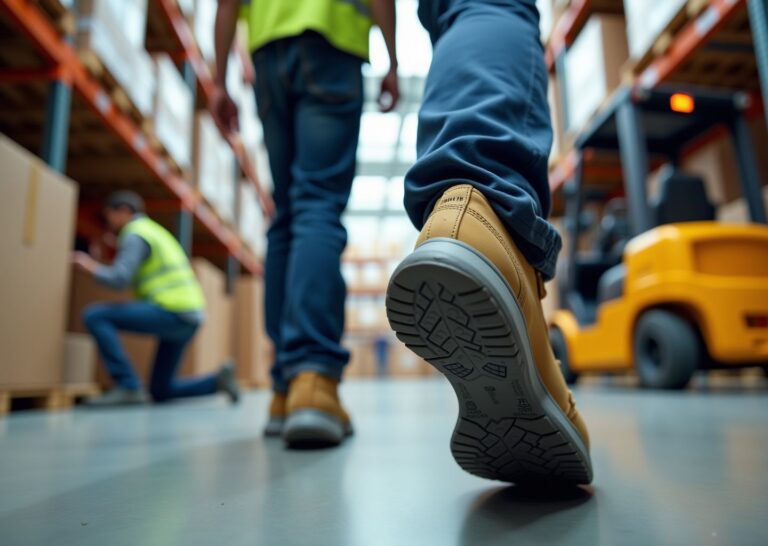
If your job involves walking ten miles a day in a fulfillment center, weight is your biggest enemy. Composite toes are much lighter than steel. This difference might seem small in your hand. It feels massive after thousands of steps. Many warehouse workers choose safety sneakers or athletic-style boots. These offer the flexibility needed for climbing on and off equipment. Look for boots with breathable liners to manage sweat. If you work in a facility with automated carts, consider a boot with a reinforced heel for extra protection against low-level bumps.
Before you buy any pair of boots, consult your safety manager. Every job site has a written Job Hazard Analysis. This document lists the exact requirements for your role. It might specify an ASTM standard or a particular safety rating. Never assume a boot is right just because it looks the part. Checking the official requirements ensures you stay compliant and protected on the clock.
How to choose fit features care and maintenance
The Safety Boot Buying Checklist
Choosing the right footwear starts with a clear understanding of your work environment. You should first identify the primary hazards like falling objects, electrical circuits, or extreme temperatures. Check your company safety policy to see if they require a specific ASTM rating. Budget is a factor, but you must prioritize certification over cost. Steel toe options are often more affordable for those on a tight budget. If you work around security checkpoints or need thermal insulation, a composite toe is the better investment. Always verify the manufacturer label inside the tongue to ensure it meets current safety standards. This label should mention ASTM F2413-18 (or the most current revision). If the label is missing or unreadable, the boot is not compliant for a regulated job site.
Measuring for the Perfect Fit
You should shop for boots at the end of the day when your feet are at their largest. Feet swell after hours of standing, so a morning fitting can lead to boots that pinch by mid afternoon. When you try them on, slide your foot forward until your toes touch the front. You should be able to fit one finger behind your heel. The toe box needs enough room for you to wiggle your toes freely. There should be about half an inch of space between your longest toe and the protective cap. Width is just as important as length. If the sides of your feet feel squeezed, the boot is too narrow. Keep in mind that Composite Toe vs Steel Toe Boots: Know The Best One For Wide Feet is a common debate because composite caps are physically thicker than steel. This extra thickness can reduce the internal volume of the boot. You might need to go up a half size or choose a wide width when buying composite toe models to get the same fit as a steel toe.
Medical Considerations
The weight and rigidity of safety toes can aggravate existing foot issues. If you have a diagnosed medical condition like bunions, neuropathy, or circulation problems, the specific shape of the toe box is critical. Composite toes are lighter and might reduce strain for those with nerve issues. However, because composite caps are thicker, they can sometimes crowd the toe box if not sized correctly. Consult a podiatrist if you have chronic foot pain; they can provide guidance on whether you need custom orthotics or a specific type of safety toe to prevent further injury.
Socks and Insoles
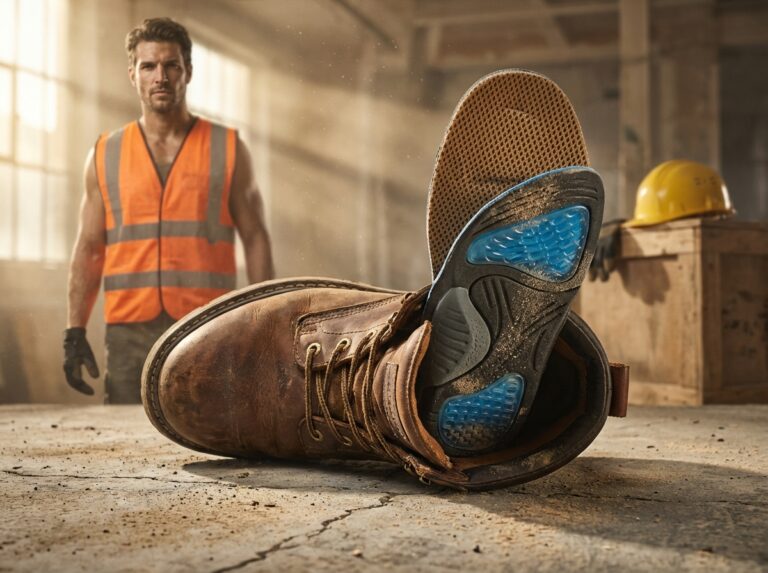
The boots are only half of the comfort equation. You should wear the same socks during the fitting that you plan to wear on the job. Thick wool or moisture wicking synthetic blends are better than standard cotton. Cotton traps sweat, which leads to blisters and degrades the boot lining. If you need extra arch support, choose your insoles before you buy the boots. High quality gel or foam insoles take up space inside the footwear. If you add them later, the boots might become too tight. Proper insoles can also help with shock absorption, which reduces fatigue during long shifts on concrete floors.
Break In Tips and Initial Care
Never take a brand new pair of boots straight to a twelve hour shift. Start by wearing them around the house for an hour or two. Gradually increase the time over a week. Leather boots take longer to break in than synthetic versions because the hide needs to soften and mold to your foot shape. You can use a leather conditioner to speed up this process. For synthetic uppers, the fit is usually more immediate. If you feel a hot spot or a pinch point that does not go away after a few days, the boots are likely the wrong size or shape for your feet.
Cleaning and Waterproofing Practices
Regular cleaning extends the life of your PPE. Use a soft brush to remove mud and grit after every shift. For leather, apply a specialized cleaner and then a conditioner to prevent cracking. If your boots have a waterproof membrane, you should apply a silicone based spray to the exterior. This helps water bead off the surface and keeps the material breathable. Avoid using harsh chemicals or degreasers on your boots. These substances can weaken the adhesives that hold the sole together. They can also degrade the resins used in composite toe caps, which might compromise their safety rating. If you work with chemicals, look for boots specifically rated for chemical resistance.
Inspection and When to Retire
You must inspect your boots every week for signs of wear. Look for deep cracks in the leather or separation between the upper and the sole. Check the midsole for compression. If the foam looks wrinkled or feels hard, it is no longer providing impact protection. For steel toes, look for any dents in the cap. A dented steel toe must be replaced immediately because the structural integrity is gone. Composite toes are different. They may not show a dent after an impact, but they can develop internal cracks. If a heavy object falls on your composite boots, you should replace them even if they look fine. This is a key point in the Steel Toe vs. Composite Toe Boots: Which is Best for Your Job? discussion. Most safety managers recommend replacing work boots every six to twelve months depending on the intensity of the work. You should document these inspections in a simple log to show compliance with OSHA safety standards. If you have specific foot conditions like high arches or chronic pain, seek out specialty orthopedic safety footwear rather than trying to modify standard boots yourself.
Conclusions and next steps for choosing the right boot
Choosing the right safety footwear involves more than just picking a brand or a style. It requires a systematic look at the specific dangers of your workplace. By now, the differences between steel and composite materials should be clear. Steel remains the standard for high impact resistance and lower costs. Composite materials offer a modern alternative for those who need to stay light on their feet or work around electrical hazards. The decision rests on a balance of safety requirements, physical comfort, and long term value.
The Primary Safety Framework
Your first priority must always be the hazard type and the required certifications. In the United States, the ASTM F2413-18 standard is the benchmark you must follow. You should never choose a boot based on weight if it does not meet the specific impact and compression ratings your job requires. Steel toes generally provide a thinner profile while maintaining high strength. This makes them ideal for environments with a high risk of heavy falling objects. Composite toes meet the same basic ASTM standards but they are often bulkier to achieve that same level of protection. If your job involves extreme impact risks, steel is often the safer bet because it does not shatter under extreme pressure. It tends to bend instead. You can find more details on these differences in this Guide to Steel vs. Composite Toe Boots which highlights how steel can withstand higher impact levels.
Balancing Weight and Daily Comfort
Once you have confirmed the boot meets the legal safety standards, you must consider the physical toll of your shift. Weight is the biggest factor here. A heavy boot can lead to leg fatigue and lower back pain over a twelve hour shift. Composite materials like carbon fiber or fiberglass are significantly lighter than steel. This weight reduction is a major benefit for workers who walk several miles a day on concrete floors. Steel-toe boots are heavier than their composite counterparts, which can lead to exhaustion during long workdays. Temperature regulation is another comfort factor. Steel conducts heat and cold. In a New York winter, steel toes can pull the heat away from your feet. Composite materials act as insulators. They keep your feet warmer in the cold and cooler in the heat. If you work outdoors or in refrigerated warehouses, the thermal properties of composite toes offer a clear advantage for daily comfort.
Factoring in Cost and Durability
The final step in the framework is evaluating the cost against the expected lifespan of the boot. Steel toe boots are generally more affordable because the manufacturing process for steel is less complex. If you are on a tight budget, steel provides the necessary protection at a lower entry price. Steel is slightly more affordable compared with composites when looking at the raw material costs. However, durability is not just about the toe cap. It is about how the boot handles your specific environment. Steel can rust if the outer leather is compromised and the metal is exposed to moisture. Composite toes will never corrode. If you work in wet conditions or with corrosive chemicals, a composite toe might actually last longer. You should weigh the initial savings of steel against the potential for a longer replacement cycle with composite materials.
| Feature | Steel Toe Boots | Composite Toe Boots |
|---|---|---|
| Primary Material | Carbon Steel | Carbon Fiber, Kevlar, or Plastic |
| Weight Profile | Heavy and Dense | Lightweight and Bulky |
| Thermal Conductivity | High (Cold in Winter) | Low (Insulating) |
| Electrical Hazard | Conductive (Unless Rated) | Non-conductive |
| Metal Detection | Sets off Alarms | Security Friendly |
| Average Cost | Lower | Higher |
Rapid Decision Guide
Choose composite toe boots if your job requires passing through metal detectors or working near strong magnets. They are the best choice for electricians and those who need maximum mobility or work in extreme temperatures. The lighter weight helps prevent fatigue during active shifts. Choose steel toe boots if you work in heavy construction, demolition, or environments with high abrasion where the boot might take a lot of physical abuse. Steel is the right choice when you need the thinnest possible toe cap for a better fit in narrow footwear or when budget is a primary concern. Steel remains the gold standard for pure impact resistance in the most dangerous industrial settings.
Next Steps for Your Purchase
You should take these three steps immediately to ensure you get the right pair. First, review your employer’s written PPE specifications to confirm the exact ASTM ratings required for your site. Second, identify two specific models that meet those ratings and try them on at the end of the day when your feet are at their largest. Third, create a formal inspection schedule on your calendar to check your boots for cracks or exposed toe caps every three months. You must keep records of your boot certifications and your inspection dates. This documentation is helpful for safety audits and insurance purposes. If you have any doubt about the hazards on your specific job site, consult your safety manager before making a final purchase. They can provide the site specific hazard analysis that dictates which material is truly necessary for your protection.
Sources
- Steel Toe vs. Composite Toe Boots: Which is Best for Your Job? — Steel-toe boots are heavier than their composite counterparts, which can lead to fatigue over a long workday. They're also more conductive, …
- Composite toe vs steel toe work boots: What the pros prefer — Composite toe boots are lighter than their steel counterparts, which can lead to reduced foot fatigue and ease of wear over extended periods.
- Guide to Steel Toe vs. Composite Toe Boots — Steel toe boots are more durable and affordable, while composite toe boots are more lightweight and insulating.
- Composite Toe vs Steel Toe: Which One is Best for Your Safety? — Steel toe boots are made with a steel cap in the toe area. · Composite toe boots are made with a composite material, such as carbon fiber, Kevlar, or fiberglass.
- Composite Toe vs Steel Toe Boots: Know The Best One For Wide Feet — Composite toe boots are lighter in weight and more comfortable for extended wear, particularly for people with wide feet.
- Composite Toe vs. Steel Toe Safety Boots – MSC Industrial Supply — Considering the straight cost of toe cap materials, steel is slightly more affordable compared with composites. Plus, for certain footwear …
- The Lowdown on Safety Toe Shoes: Steel vs Composite Toe — Steel toes work just as well as composite toes in extreme weather: Composite toes are the clear winner when it comes to harsh weather conditions …
- Composite Toe vs. Steel Toe Boots – The Home Depot — Steel toe boots offer more protection than composite toe boots since they can withstand higher impact. They are less expensive than composite toe boots.
- Steel vs. Alloy vs. Composite Safety Toes White Paper – Tingley — Steel toe caps are generally less costly to manufacture resulting in safety footwear that is often less expensive than other toe cap designs.
EMPTY