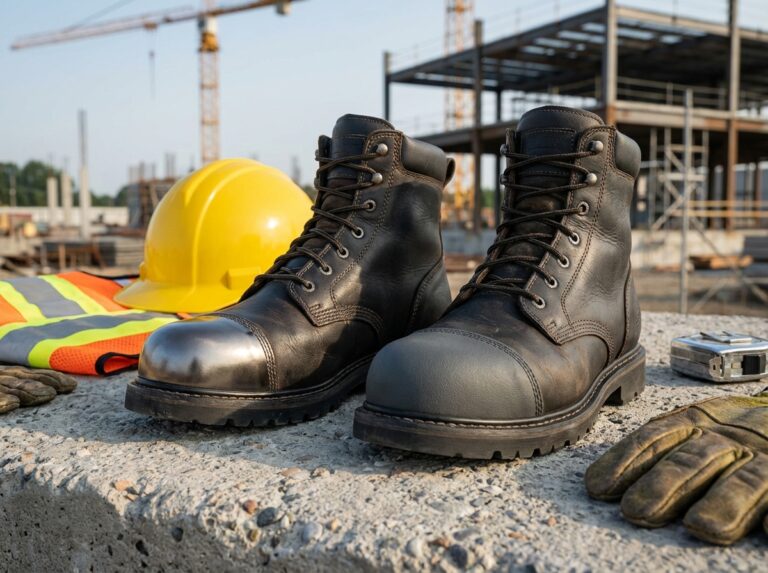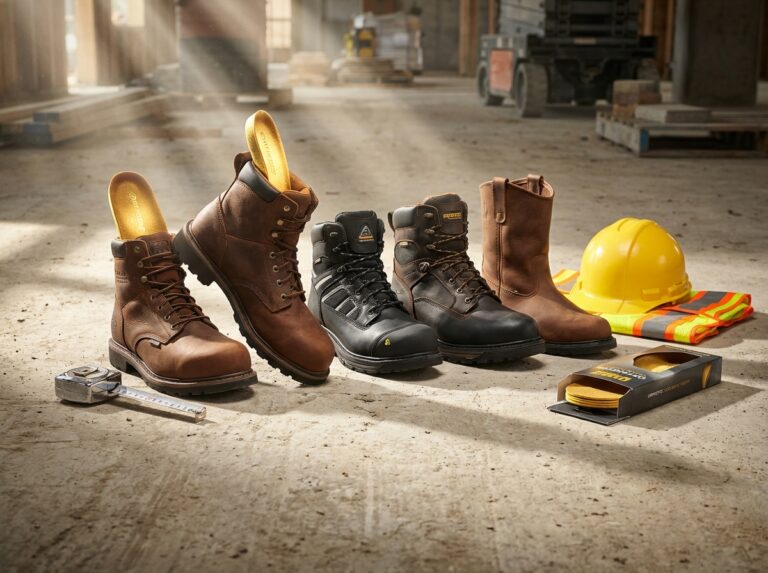
Choosing between steel toe and composite toe boots impacts protection, comfort, compliance, and workplace performance. This concise guide compares materials, certifications, pros and cons, and real-world job recommendations for construction, electrical, warehouse, and outdoor work in the U.S., so you can pick boots that meet standards and buy with confidence.
Toe cap types and safety standards
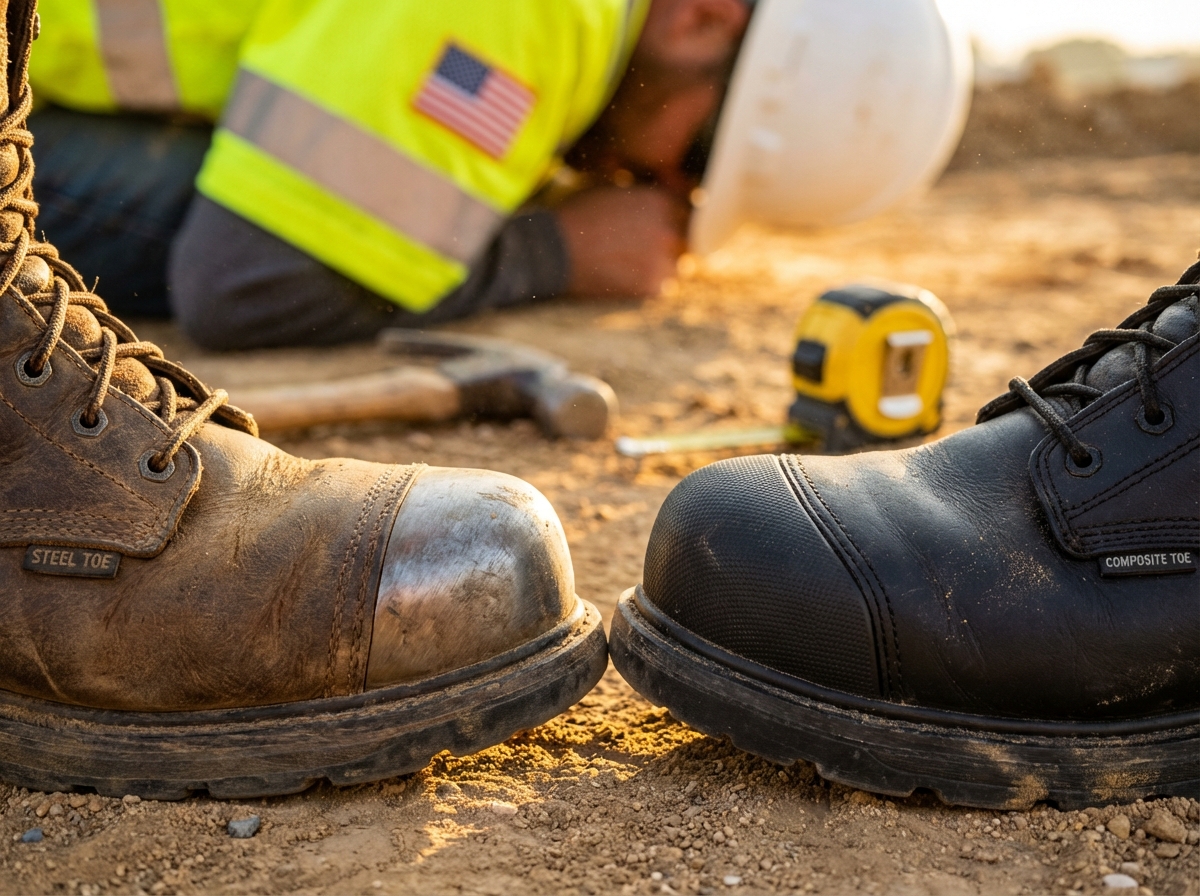
Understanding the construction of safety footwear is the first step in choosing the right protection for your feet. Steel toe caps are the traditional standard in the industry. Manufacturers forge these caps from high-grade carbon steel. The metal undergoes a heat treatment process to increase its hardness and durability. This allows the cap to remain relatively thin while still meeting strict safety requirements. Because steel is so strong, it does not need much mass to resist heavy impacts. This results in a sleek profile that fits well in traditional leather work boots. You can find more details on these differences at Becks Shoes regarding how steel typically offers high impact resistance.
Composite Materials and Construction
Composite toe caps use a blend of non-metallic materials to achieve safety ratings. These caps are not made from a single substance. Engineers often combine fiberglass with plastic resins or carbon fiber. Some premium boots utilize Kevlar for its incredible strength-to-weight ratio. These materials are layered and bonded under intense pressure to create a rigid shell. Fiberglass is the most common composite material because it is affordable and effective. Carbon fiber is much lighter but increases the cost of the boot significantly. Polymer blends are often used in budget-friendly composite options. These materials do not conduct heat or electricity. This makes them a preferred choice for specific work environments. You can learn more about why pros prefer certain materials at HexArmor where they discuss weight and comfort differences.
Weight and Profile Differences
Steel is significantly heavier than composite materials. A steel toe cap can add substantial weight to a boot, potentially leading to leg fatigue during long shifts. Composite caps are usually 30 percent lighter than steel versions. However, composite materials are less dense than metal. To meet the same safety standards, a composite cap must be thicker than a steel one. This results in a bulkier toe box. Workers with wide feet might find composite boots more spacious, while those who prefer a slim look often stick with steel. The extra thickness of composite caps can sometimes make the boot feel clunky in tight spaces.
Thermal Conductivity
Steel is a metal, so it conducts temperature very efficiently. In the winter, the steel cap absorbs the cold and transfers it to your toes. In the summer, it can hold onto heat. This can make outdoor work uncomfortable in extreme climates. Composite materials act as insulators. They do not transfer heat or cold easily. This keeps your feet at a more stable temperature throughout the day. If you work in a refrigerated warehouse or on a frozen construction site, composite toes offer a clear advantage for comfort.
Puncture Resistance and Metatarsal Protection
Safety boots often include protection for the rest of the foot. Puncture-resistant midsoles prevent sharp objects like nails from piercing the sole. Steel plates are the classic solution. They are very thin and offer excellent protection against sharp points. Composite plates are made from layers of high-tenacity fabrics. These plates are more flexible than steel and cover the entire surface of the footbed. Steel plates sometimes leave small gaps around the edges of the sole. Composite plates are also non-metallic, which is helpful for workers who must pass through metal detectors frequently.
Metatarsal Guards
The metatarsal bones on the top of your foot are very fragile. Metatarsal guards provide an extra layer of protection over these bones. Some boots have external guards made of hard plastic or steel. Others use internal guards made from impact-absorbing foams. These foams stay soft and flexible during normal movement but harden instantly when hit by a heavy object. This technology has improved significantly in recent years. Modern guards are much less restrictive than older models, allowing for a natural range of motion while providing high-level safety.
U.S. and International Safety Standards
The most important standard for American workers is ASTM F2413. Current iterations of this standard (such as ASTM F2413-18) enforce rigorous testing for the durability of materials over time and refine how slip resistance is measured on various surfaces. Every safety boot sold in the U.S. must have a label that proves it meets these requirements. The testing involves dropping a heavy weight on the toe and compressing it with thousands of pounds of force. If the cap collapses beyond a certain point, it fails the test.
International Standards
Workers in Canada look for the CSA Z195 standard. This is often represented by a green triangle on the outside of the boot. The CSA standard has similar requirements to the ASTM but includes specific tests for electric shock resistance and puncture protection. In Europe, the EN ISO 20345 standard is the benchmark. It uses a different classification system like S1, S2, or S3 to indicate levels of protection. If you work for a global company, you might see boots that carry multiple certifications to satisfy different regional laws.
How to Read the Certification Label
You will usually find the safety label on the inside of the tongue or the side of the boot. Understanding these codes is vital for compliance. The first line typically lists the specific ASTM standard the boot meets. The following lines use shorthand to describe the features. According to MSC Industrial Supply, understanding these markings is essential for choosing the right footwear for your specific job site.
I and C Ratings
The letter I stands for Impact. The letter C stands for Compression. You will almost always see the number 75 next to them. This means the boot can withstand an impact of 75 foot-pounds. It also means the toe can handle 2,500 pounds of compression. These are the highest ratings available under the current standards. Any boot used on a heavy-duty job site should have these markings.
EH and SD Markings
EH stands for Electrical Hazard. These boots are designed with non-conductive soles. They provide a secondary source of protection against accidental contact with live electrical circuits. SD stands for Static Dissipative. These boots are different from EH boots. They allow small amounts of static electricity to flow through the body into the ground. This prevents static buildup that could damage sensitive electronics or cause a spark in volatile environments. You should never use SD boots if you need EH protection.
PR and Mt Codes
PR indicates that the boot is Puncture Resistant. This means it has a steel or composite plate in the midsole. Mt stands for Metatarsal protection. This code confirms the boot protects the upper bones of the foot from impact. Seeing these codes on your label ensures that your footwear meets the legal safety requirements for your specific workplace. Recent updates have made these labels clearer to help workers avoid confusion between different types of protection.
| Label Code | Meaning | Primary Benefit |
|---|---|---|
| I/75 | Impact Rating | Protects against falling objects |
| C/75 | Compression Rating | Protects against rolling objects |
| EH | Electrical Hazard | Reduces risk of electric shock |
| SD | Static Dissipative | Prevents static electricity buildup |
| PR | Puncture Resistant | Protects against sharp objects underfoot |
| Mt | Metatarsal Guard | Protects the top of the foot |
Choosing between steel and composite often comes down to your specific environment. Steel offers a thinner profile and proven durability at a lower cost. Composite provides a lighter weight and better temperature regulation. Both types meet the same ASTM F2413 safety requirements for impact and compression. Your choice should depend on whether you prioritize a slim fit or thermal comfort. Always check your employer’s safety manual to see if they require a specific type of toe cap for your role. Some industries like aviation or high-security facilities might mandate composite toes to avoid issues with metal detectors. Other heavy industries might prefer steel for its long history of reliability in extreme conditions.
How materials and design affect on the job performance
Choosing between steel and composite toe boots involves more than just picking a material. It requires an understanding of how these components react to the daily pressures of a specific job site. The physical properties of each material dictate how a worker moves, how their feet feel after a long shift, and how safe they remain in hazardous environments.
Weight and Physical Fatigue
The most immediate difference a worker notices is the weight of the footwear. Steel toe caps are made from heavy metal alloys. This weight sits at the very front of the foot, which creates a leverage effect that can strain the muscles in the shins and calves. Over a twelve-hour shift, this extra weight contributes to significant lower back pain and joint fatigue. Composite toe caps are manufactured from much lighter materials like carbon fiber, Kevlar, or high-grade plastics. These boots are often twenty-five to thirty-five percent lighter than their steel counterparts. This weight reduction is a primary reason why workers who walk several miles a day prefer composite options. A lighter boot preserves energy and reduces the long-term impact on the skeletal system. According to Composite toe vs steel toe work boots: What the pros prefer, while both types provide the same level of impact protection, the difference in weight is a deciding factor for comfort.
Thermal Behavior in Extreme Environments
Temperature regulation is a critical performance metric for anyone working outdoors or in climate-controlled facilities. Steel is a highly conductive metal. In the winter, it acts as a heat sink that pulls warmth away from the toes. This can lead to discomfort or even frostbite in sub-zero conditions. In the summer, steel can absorb heat from hot pavement and transfer it directly to the foot. Composite materials are non-conductive. They act as an insulator rather than a conductor. This helps maintain a stable temperature inside the boot regardless of the weather. Workers in cold storage warehouses or those performing utility repairs in the snow find that composite toes keep their feet significantly warmer. This insulation benefit extends to hot environments where composite materials prevent the toe box from becoming uncomfortably warm.
Electrical Conductivity and Site Security
Safety protocols often dictate the choice of material based on electrical risks. Steel is a natural conductor of electricity. Even though the cap is encased in leather and rubber, it still presents a potential path for current in high-voltage situations. Composite toes are completely non-metallic. They do not conduct electricity, which makes them the standard for electricians and telecom technicians. This non-metallic nature also simplifies daily routines for employees in high-security areas. Workers at airports, courthouses, or government buildings frequently pass through metal detectors. Steel toe boots trigger these alarms every time. Composite boots allow workers to move through security checkpoints without removing their footwear. This saves time and reduces daily frustration for personnel in logistics and aviation.
Impact Resistance and Structural Integrity
Both materials must meet the same ASTM F2413 standards for impact and compression. However, they behave differently under extreme stress. Steel is incredibly strong and can be made very thin. This allows for a slender boot profile that many workers find more attractive. When steel reaches its failure point, it tends to dent or bend. This can sometimes trap the foot inside the boot after a massive impact, but the material itself remains in one piece. Composite caps must be much thicker to achieve the same strength ratings. This results in a bulkier toe box that might feel cramped in tight spaces. If a composite cap takes a severe hit, it may crack or shatter internally. While it protects the foot during the initial accident, the structural integrity is compromised. Any boot that has sustained a major impact should be replaced immediately, but composite boots require extra scrutiny because internal damage is not always visible on the surface.
Durability and Chemical Exposure
The longevity of a boot depends on how the toe cap handles environmental stressors. Steel is susceptible to corrosion. If the leather at the toe wears away and exposes the metal to water, salt, or chemicals, the cap will begin to rust. This weakens the protection over time. Composite materials are immune to rust and corrosion. They perform exceptionally well in environments with high moisture or chemical exposure. Landscaping crews and workers in salt-heavy winter climates often find that composite boots last longer because the safety component does not degrade when exposed to the elements. The abrasion resistance of the outer leather is still important, but the internal cap remains stable regardless of the conditions. Detailed comparisons in Steel Toe vs. Composite Toe: Which is Right for You? – Becks Shoes highlight that while steel offers high impact resistance, composite provides better insulation against these environmental hazards.
Trade Specific Recommendations
Construction workers and heavy equipment operators often lean toward steel toes. The slim profile of a steel boot makes it easier to operate foot pedals with precision. The rugged nature of steel handles the constant abuse of a construction site where heavy debris is a daily reality. Electricians and utility crews should almost always choose composite toes for their non-conductive properties. Warehouse and logistics workers benefit most from composite boots due to the reduced weight during long walking shifts. Airport and security personnel find composite boots essential for passing through checkpoints efficiently. For landscaping and groundskeeping, composite is often the better choice to avoid the corrosion caused by fertilizers and wet conditions.
Regulatory and Workplace Requirements
Some workplaces have strict mandates that override personal preference. A facility might require steel toes because of the specific type of heavy machinery in use. Other sites might ban all metallic objects to prevent electrical arcs or to maintain security standards. It is vital to check with a safety officer before purchasing. In the current market, many U.S. job sites have moved toward composite materials to reduce worker fatigue and improve thermal comfort. However, the proven durability of steel remains the gold standard in heavy industrial manufacturing. Understanding these tradeoffs ensures that the chosen boot meets both the safety regulations of the employer and the physical needs of the worker.
Buying guide fit and maintenance tips
Finding the right safety boot starts with verifying the label inside the tongue or on the side of the shaft. For workers in the United States, the ASTM F2413 standard is the primary certification to look for. This label tells you exactly what the boot can handle, using the codes (I, C, EH, PR) detailed in the previous section. Verifying these claims is simple: a genuine safety boot must have the ASTM stitch-in label. If a boot only claims to be “safety toe” without these specific codes, it likely does not meet OSHA requirements for your job site. You can check the manufacturer website for a certificate of compliance if your safety manager asks for proof. Many workers prefer to see the Steel Toe vs. Composite Toe: Which is Right for You? – Becks Shoes guide to understand how these ratings apply to different materials.
Judging the Fit for Long Shifts
The End of Day Rule
Never try on work boots first thing in the morning. Your feet swell throughout the day as you walk and stand. By the end of a shift, your feet can be half a size larger. Try on boots in the late afternoon to ensure they will not pinch when you are six hours into a workday. Bring the specific socks you plan to wear. A thick wool sock takes up significant volume inside the boot. If you use custom orthotics or aftermarket insoles, bring those too. Replacing a factory foam insole with a thick gel insert can make a boot feel much tighter across the top of your foot.
Toe Room and Width
You need about half an inch of space between your longest toe and the front of the safety cap. Unlike soft toe shoes, the safety toe box will never stretch. If your toes touch the metal or composite material now, they will blister later. Slide your foot forward until your toes touch the front. You should be able to fit one finger behind your heel. For width, the ball of your foot should sit at the widest part of the boot. If the sides of your feet feel squeezed, look for a wide or extra wide version. Many brands now offer EEE widths for workers who need more room. Composite toes often have a bulkier exterior profile to meet safety standards, while steel toes offer a slimmer look with the same internal space.
Heel and Arch Support
Your heel should stay locked in place. A tiny bit of lift is normal in a new leather boot, but your foot should not slide around. Excessive movement leads to friction and holes in your socks. The arch support should align with the natural curve of your foot. If you have flat feet, look for boots with a flatter footbed. If you have high arches, ensure the boot does not put too much pressure on the top of your foot, known as the instep.
Safety Features Beyond the Toe
Outsoles and Midsole Protection
Slip resistance is a requirement for most industrial jobs. Look for outsoles made of rubber or thermo-polyurethane (TPU). Rubber performs better in extreme heat and provides excellent grip on oily surfaces. Check the tread pattern. Deep lugs are great for mud and gravel, but flat, siped soles are better for wet concrete floors in warehouses. If you work in demolition or construction, a puncture-resistant midsole is vital. These are usually made of a steel plate or a flexible woven fabric like Kevlar. The fabric plates are lighter and do not conduct cold, which is a major benefit in winter.
Ankle Support and Height
A six-inch boot is the standard for most jobs. It provides basic ankle protection and keeps debris out. If you work on uneven ground or climb ladders, an eight-inch boot offers more stability. It helps prevent rolled ankles. Ensure the collar is padded to avoid chafing against your calf. Some workers prefer a pull-on Wellington style boot for convenience, but these offer less ankle support than lace-up models.
Weatherproofing and Insulation
Waterproofing is essential for outdoor work. Look for boots with a breathable membrane like Gore-Tex or similar proprietary liners. These keep water out while letting sweat escape. For cold weather, insulation is measured in grams. A 200-gram insulation is good for active work in chilly conditions. If you stand still in sub-zero temperatures, you might need 400 or 600 grams. Remember that composite toes are better for cold weather because they do not transfer heat away from your feet like steel does. This is a key point in the Composite toe vs steel toe work boots: What the pros prefer discussion among professionals.
Maintenance and Lifespan Expectations
The Break In Period
Heavy-duty leather boots require time to soften. Wear them around the house for a few hours each day before taking them to the job site. You can use a leather conditioner to speed up the process. Apply the conditioner to the flex points where the boot bends at the toes. If you experience hot spots, apply moleskin to your skin before a blister forms. Do not use water to soak the leather as a shortcut. This can damage the fibers and lead to premature cracking.
Cleaning and Storage
Mud and salt are the enemies of leather. They pull moisture out of the material and cause it to crack. Brush off dirt after every shift. Use a damp cloth for stubborn grime. Once a month, apply a high-quality leather oil or wax. This keeps the leather supple and maintains the water resistance. Store your boots in a cool, dry place. If they get soaked, stuff them with newspaper and let them dry at room temperature. Never put them next to a heater or use a hair dryer. High heat ruins the adhesives holding the sole together and makes the leather brittle.
When to Replace Your Boots
Most work boots last between six and twelve months with heavy use. You should inspect them weekly for signs of failure. If the safety toe cap becomes visible through the leather, the boot is no longer safe. If the sole begins to separate from the upper, it can become a trip hazard. Check the tread depth. If the sole is worn smooth, you lose your slip resistance. If you drop a very heavy object on the toe, replace the boots immediately. Even if they look fine, the internal structure of the toe cap might be compromised. Most manufacturers offer a six-month warranty against defects, but this does not cover normal wear and tear.
Market Pricing and Budgeting in 2025
Budget Tier (80 to 130 dollars)
These boots are usually made with corrected grain leather and basic foam insoles. They are fine for light-duty work or for workers who are not on their feet all day. They often use cemented construction, meaning the sole is glued on. These cannot be resoled.
Mid Range Tier (140 to 220 dollars)
This is the sweet spot for most American workers. You get better leather quality, improved waterproof membranes, and more durable outsoles. Many boots in this range use athletic shoe technology for better cushioning. This tier offers a wide variety of both steel and composite options.
Premium Tier (230 to 350 dollars plus)
Premium boots often feature Goodyear welt construction. This means the sole is stitched to the upper and can be replaced by a cobbler. They use top-tier full-grain leather that lasts for years if maintained. These are the best choice for workers in harsh environments like logging, heavy construction, or oil fields.
On the Job Testing Checklist
- Walk on a hard floor to check for heel slippage or sliding.
- Squat down to see if the safety toe cap pinches the top of your foot.
- Stand on the edges of your feet to test the lateral stability of the ankle.
- Wiggle your toes to ensure they do not hit the front or sides of the cap.
- Check the weight by walking for five minutes to gauge leg fatigue.
- Verify the ASTM F2413 label is present and matches your job requirements.
Frequently Asked Questions
Are composite toes as safe as steel toes when they carry the same certification?
Yes. Both materials must pass the same ASTM F2413 testing standards for impact and compression resistance to be sold as safety footwear in the United States. While steel is naturally stronger and allows for a thinner profile, composite caps are engineered to meet the exact same safety thresholds through increased material thickness. You should always check the specific ASTM rating on the boot tongue to ensure it matches your job requirements. You can find more details on how these materials differ in daily use at Becks Shoes.
Do steel toe boots trigger metal detectors at airports or high security sites?
Steel toe boots will almost always set off metal detectors because they contain a significant amount of carbon steel. This makes them a poor choice for workers who must pass through security checkpoints multiple times a day. If your job involves frequent security screenings, choosing composite toe boots allows you to remain protected without the constant hassle of removing your footwear. Many workers in the aviation and prison industries prefer composite options for this specific reason.
Can I wear steel toe boots for electrical work and what does the EH rating mean?
You can wear steel toe boots for electrical work if they are specifically rated for Electrical Hazard protection. The EH rating indicates the boot can withstand a certain amount of voltage without conducting it to the ground. However, many electricians prefer composite toes because the material itself is non-conductive and provides an extra layer of safety. Always verify that your boots have the EH designation printed on the safety label before wearing them near live wires. For a deeper look at what professionals choose for electrical safety, you can check HexArmor.
How often should I replace my safety boots to ensure they still provide protection?
Most safety boots should be replaced every six to twelve months depending on the intensity of your work environment. You must replace them immediately if the boots sustain a heavy impact or if the internal toe cap becomes visible through the leather. Regular inspections for sole separation or cracked leather help prevent injuries before they happen. If you work in harsh conditions like concrete or chemical plants, your replacement cycle might be even shorter.
Do composite toes break down or lose effectiveness in extreme heat or cold?
Composite materials are designed to remain stable in extreme temperatures and do not degrade under normal working conditions. They actually perform better than steel in cold weather because they do not conduct temperature, which keeps your feet warmer. Steel toes can act as a heat sink and pull warmth away from your toes in freezing environments. This makes composite options the standard choice for refrigerated warehouses or outdoor winter construction. You can compare the weight and temperature differences in more detail at MooseLog.
Which toe type is better for workers who are on their feet all day?
Composite toe boots are generally better for reducing fatigue because they weigh significantly less than steel. Saving even a few ounces per foot can reduce the strain on your legs and lower back over a ten-hour shift. Some workers find that the lighter weight helps them stay more productive throughout the day. If your job involves a lot of walking, the weight savings of composite materials will be noticeable by the end of the week.
Is it possible to resole safety boots without voiding their safety certification?
You can resole safety boots if the process is done by a qualified cobbler who uses materials that match the original specifications. The safety certification covers the entire boot construction, so changing the sole to a non-compliant material could technically void the rating. It is best to contact the manufacturer to see if they offer a factory resoling service. This ensures the puncture resistance and slip ratings remain intact after the repair.
How do I verify that a boot is truly ASTM compliant?
Look for a rectangular label stitched into the inside of the boot tongue or the side of the shaft. This label will list the ASTM standard number, such as F2413, along with specific codes for impact, compression, and electrical hazard protection. If a boot does not have this permanent label, it is not considered compliant PPE by OSHA standards. You should always cross-reference the label with the manufacturer spec sheet to be certain.
Are there specific jobsite policies that could force me to choose steel over composite?
Some heavy industrial sites or demolition projects may mandate steel toe boots because they offer better protection against sharp punctures or extreme crushing forces. While composite toes meet the same basic standards, steel has a higher density that some safety managers prefer for high-risk zones. You should always consult your company safety manual or project manager before purchasing new boots. Some sites have strict rules that override personal preference for specific hazards.
Why are composite toe boots often more expensive than steel toe options?
Composite caps are more expensive to manufacture because they use advanced materials like carbon fiber, Kevlar, or high-grade plastics. Steel is a relatively cheap and abundant material that is easy to mold into shape. The higher price of composite boots often reflects the research and development required to make them light yet strong. You can find a breakdown of these cost factors at MSC Industrial Supply.
Does steel provide better protection against heavy compression than composite?
Steel often performs slightly better in extreme compression scenarios because it tends to bend rather than shatter. Composite materials are designed to withstand high pressure, but they can crack if the force exceeds their rated limit. This is why steel remains the favorite for jobs involving heavy machinery or large falling objects. It is important to match the boot to the specific weight hazards present in your workplace.
Do composite toe boots feel bulkier than steel toe boots?
Composite toe caps are thicker than steel caps to achieve the same strength, which can make the toe box look and feel larger. This extra bulk might cause issues for workers who need to fit their feet into tight spaces or use foot controls on machinery. Steel allows for a sleeker boot design while maintaining maximum protection. If you have narrow feet or need a more streamlined fit, steel might be the more comfortable option.
Is puncture resistance tied to the type of toe cap I choose?
Puncture resistance is usually provided by a separate plate in the midsole rather than the toe cap itself. You can find both steel and composite toe boots that include puncture-resistant plates made of steel or woven fabrics like Kevlar. You must look for the PR marking on the safety label to ensure the boot protects against nails or sharp debris. Never assume a safety toe boot automatically includes underfoot puncture protection.
How do these materials react to chemical exposure on the job?
Composite toes are generally more resistant to corrosion from chemicals and acids than steel. If the leather of a steel toe boot is breached, the metal cap can rust or weaken when exposed to corrosive substances. Composite materials are inert and will not react with most industrial chemicals. This makes them a superior choice for workers in chemical processing plants or laboratories.
Does the toe cap material change how I should clean my boots?
The cleaning process is determined by the outer material of the boot, like leather or synthetic fabric, rather than the toe cap. However, you should be careful not to use excessive heat to dry your boots, as this can damage the adhesives holding the toe cap in place. Always air dry your footwear at room temperature to maintain the structural integrity of the safety components. Proper care ensures the boot lasts through its intended service life.
Can I use aftermarket insoles in my safety boots?
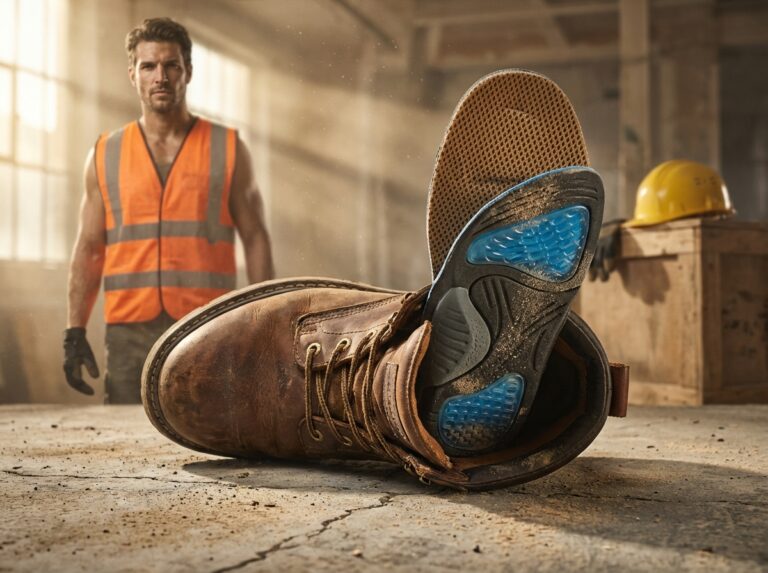
You can use aftermarket insoles, but you should ensure they do not take up too much space in the toe box. If an insole is too thick, it can push your toes closer to the safety cap and cause discomfort or reduce the effectiveness of the protection. It is best to test the fit with the new insoles before wearing the boots for a full shift. Some manufacturers sell specific insoles that are tested to maintain the safety ratings of their boots.
What should I do if my boots feel uncomfortable during the first week?
Most safety boots require a break-in period of one to two weeks to allow the leather to soften and mold to your feet. If the discomfort is caused by the safety cap rubbing against your toes, the boots may be the wrong size or width. Steel and composite caps do not stretch, so the toe area will not get wider over time. If the pain persists after the initial break-in period, you should consider a different model or size.
| Feature | Steel Toe | Composite Toe |
|---|---|---|
| Weight | Heavier | Lighter |
| Insulation | Conducts Heat/Cold | Thermal Neutral |
| Security | Triggers Detectors | Non-Metallic |
| Profile | Slimmer | Bulkier |
| Cost | Generally Lower | Generally Higher |
Final recommendations and next steps
Choosing between steel and composite toes comes down to the specific dangers of your daily environment. You have seen the technical differences between these materials. Now you need to apply them to your specific site. Steel remains the standard for high-density industrial areas where heavy objects fall often. It offers the thinnest profile. This helps if you prefer a boot that does not look bulky. Composite options have caught up in safety ratings. They are the better choice if you walk through metal detectors or work in extreme temperatures. Both types must meet the same impact and compression standards to be sold as safety footwear in the United States.
Actionable Steps for Safety Managers
Update the Job Hazard Analysis
Your priority is compliance. You should start by updating your Job Hazard Analysis for the 2025 season. Look at the specific incident reports from the last year. If foot fatigue is a common complaint among your crew, a shift to composite toes might improve productivity. Ensure every boot carries the ASTM F2413 mark. You must document why a specific toe type was chosen for each role. This documentation protects the company during inspections. It also ensures workers have the right gear for their specific tasks. You can find more details on these choices at Steel Toe vs. Composite Toe: Which is Right for You? – Becks Shoes.
Establish a Pilot Program
Before you buy boots for an entire crew, run a pilot test. Give a small group of workers different models of steel and composite boots. Let them wear the boots for two full weeks. Collect their feedback on weight. Ask about heat retention. Check the break-in time. This real-world data is more valuable than any spec sheet. Once you settle on a model, create a clear replacement schedule. Most safety boots last six to twelve months depending on the environment. Do not wait for a hole to appear before ordering a new pair.
Guidance for Field Supervisors
Daily Equipment Checks
You are the eyes on the ground. Check the condition of your team’s boots during morning briefings. Steel toes can become dangerous if the metal plate is exposed after a heavy impact. The sharp edge of the steel can cut into the boot material. Composite toes can crack internally without showing much outside damage. You should encourage workers to report any major drops or compressions immediately. A boot that has taken a hit needs a replacement. It does not matter if it looks fine on the outside. For a deeper look at what professionals prefer in the field, see Composite toe vs steel toe work boots: What the pros prefer.
Monitoring Environmental Factors
Watch the weather and the workspace. If your team is working on a concrete slab in January, steel toes will pull the heat out of their feet. This leads to numbness. Numb feet are a trip hazard. In these cases, you should mandate composite toes for their insulating properties. If the job involves heavy demolition with a high risk of piercing injuries, ensure the boots have the appropriate puncture-resistant plates. These plates can be steel or composite regardless of the toe cap material.
Advice for Individual Workers
Prioritize Fit and Comfort
You are the one wearing these boots for ten hours a day. Comfort is not just a luxury. It is a safety feature. A heavy boot that causes blisters or back pain makes you less observant. If you work outside in the winter, composite toes will keep your feet warmer. If you work in a warehouse with tight spaces, the slimmer profile of steel might prevent trips. Always try on boots at the end of the day when your feet are swollen. This gives you the most accurate fit. You can learn more about how these materials affect construction work at Are Composite Toe Safety Shoes Good for Construction? – MooseLog.
Understand the Cost Difference
Steel is generally more affordable. If you are on a tight budget, steel provides the required protection for less money. Composite boots use expensive materials like carbon fiber or Kevlar. This raises the price. However, the investment in composite might save you money on thick socks or foot massages later. You can compare the cost factors in detail at Composite Toe vs. Steel Toe Safety Boots – MSC Industrial Supply.
Concise Decision Flow
| Primary Hazard or Need | Recommended Toe Type | Reasoning |
|---|---|---|
| Heavy Falling Objects | Steel Toe | Higher density protection with a thinner profile. |
| Live Electrical Wires | Composite Toe | Non-conductive materials prevent electrical arcs. |
| Frequent Metal Detection | Composite Toe | Does not trigger sensors at security gates. |
| Extreme Cold or Heat | Composite Toe | Does not transfer external temperatures to the foot. |
| Long Distance Walking | Composite Toe | Lighter weight reduces leg and muscle fatigue. |
Prioritized Pre-Job Checklist
Standards Check
Look inside the tongue of the boot. You must see the ASTM F2413 stamp. This ensures the boot passed the 75-pound impact and compression tests. If the label is missing or unreadable, the boot is not job-site ready.
Fit Test
Slide your foot forward until your toes touch the front. You should be able to fit one finger behind your heel. When laced, your toes should have room to wiggle. If the steel or composite cap pinches your pinky toe, the boot is too narrow. It will not stretch over time.
Hazard Match
Confirm the boot has the EH rating for electrical work or the SD rating for static dissipation. Check the outsole for oil and slip resistance. Ensure the boot height provides enough ankle support for your specific terrain.
Replacement Schedule
Mark the purchase date on the inside of the boot. Plan to inspect the integrity of the toe cap every three months. If you see the protective cap through the leather, replace the boots immediately. Exposed caps are a safety violation and a sign of structural failure.
Documentation and Compliance
Federal regulations require employers to provide or mandate appropriate PPE. You should keep a digital log of the boot specifications required for each department. Include the date of the last hazard assessment. If you choose composite toes for their non-conductive properties, note that in your safety manual. This creates a paper trail of diligence. For further reading on how these materials compare in various industries, visit Steel Toe vs Composite Toe: Which Work Boot Is Right for You?. Always refer to the OSHA guidance for the most current legal requirements regarding foot protection. The ASTM International website provides the full technical breakdown of testing methods. Staying informed on these changes ensures your team remains safe and your business remains compliant. Choosing the right boot is a balance of science and site-specific needs.
References
- Steel Toe vs. Composite Toe: Which is Right for You? – Becks Shoes — However, steel toes typically offer higher impact resistance, while composite toes provide better insulation against electrical hazards.
- Composite toe vs steel toe work boots: What the pros prefer — Both types provide the same level of impact protection, but they offer key differences in weight, comfort, durability, and additional features.
- Composite Toe vs. Steel Toe Safety Boots – MSC Industrial Supply — Considering the straight cost of toe cap materials, steel is slightly more affordable compared with composites. Plus, for certain footwear …
- Steel Toe vs. Composite Toe Caps: Which is Best 2025? – Workwear — We'll compare and contrast both types of toe caps and give you the best footwear for both options, helping you to find the perfect safety solution for you and …
- Are Composite Toe Safety Shoes Good for Construction? – MooseLog — 2. Composite vs. Steel Toe on the Construction Site · Weight: Composite safety toe work boots are lighter — often by 25% to 35%. · Conductivity: …
- Steel Toe vs Composite Toe: Which Work Boot Is Right for You? — Compare steel toe vs composite toe boots to choose the right safety footwear. Learn about comfort, protection, and job-site performance.
- Comp Toe vs Steel Toe: Which Is Best for Your Job? – Hywell Store — Comp Toe vs. Steel Toe ; Toe Box Profile, Slimmer (thinner walls), Bulky (thicker walls needed) ; Cost, Generally Cheaper, More Expensive …
- When You Should Opt For Composite Toe Boots – Nicks Boots — When you need protection but don't explicitly need steel toes, composite toes are the better choice. When Do I Absolutely Need Steel Toe Boots? Chances are, you …
- Composite-Toe Vs. Steel-Toe Boots – Grainger KnowHow — Composite toe caps are generally lighter than steel, but some argue the toe cap only adds a small amount to a boot's total weight.
EMPTY