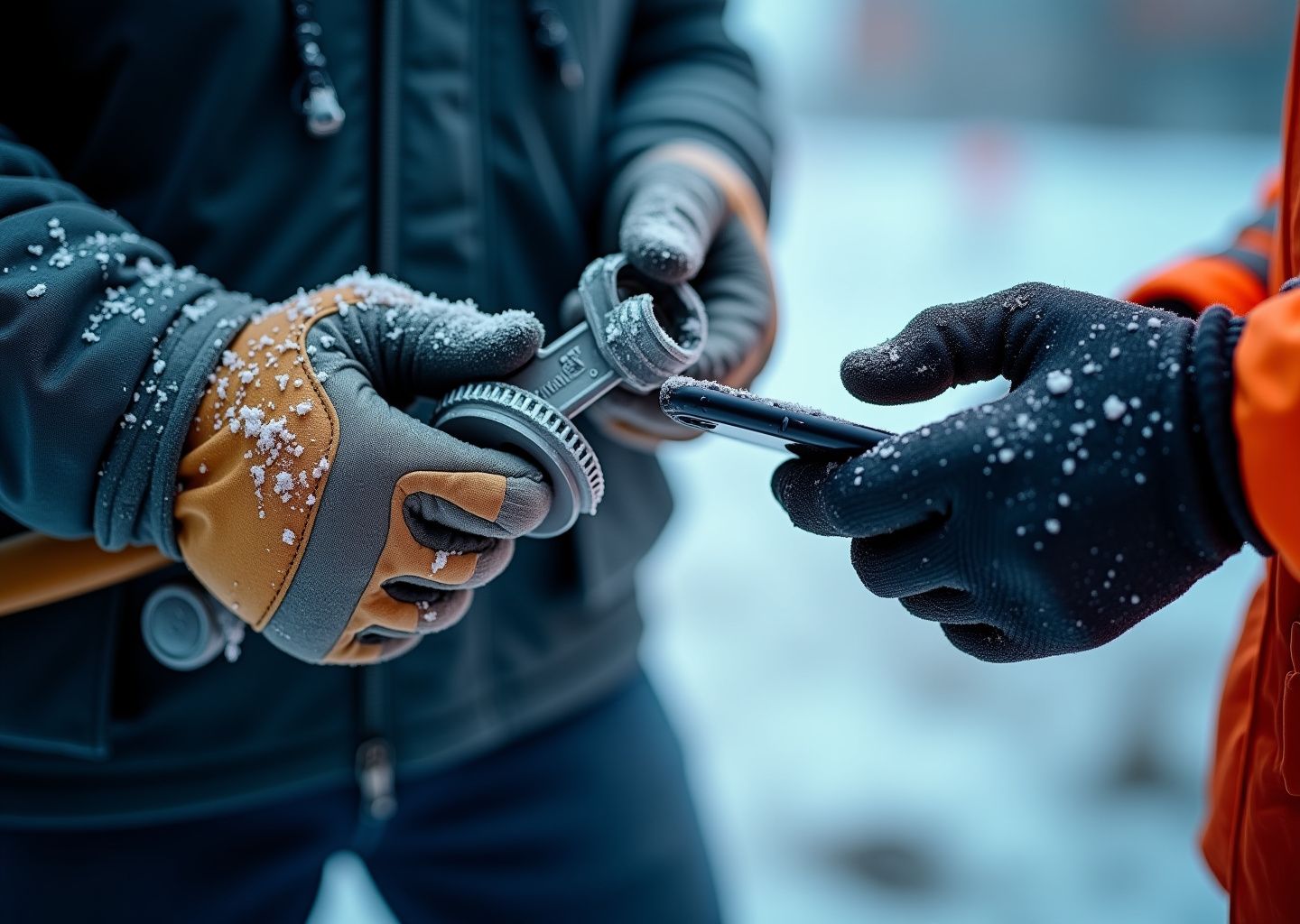
Choosing winter work gloves means balancing dexterity with warmth. This article explains how insulation, materials, liners, waterproofing and design affect hand protection and manual performance for construction, logistics and outdoor pros. We’ll define key terms, describe test methods, compare glove types for common tasks, and provide a buying checklist to help you select gloves that keep hands warm and functional.
Understanding the Dexterity versus Warmth Trade-off
When you’re searching for the right pair of winter work gloves, you quickly run into a fundamental problem. The warmest gloves often feel like you’re wearing boxing mitts, while the gloves that let you pick up a screw will leave your fingers numb in minutes. This is the classic dexterity and warmth trade-off, a constant balancing act in the world of cold weather PPE. Understanding this compromise is the first step to choosing a glove that actually works for your job instead of against it.
Let’s break down what these terms really mean in a practical sense. Dexterity isn’t just about being able to bend your fingers. In the context of work, glove dexterity is the ability to perform fine motor tasks efficiently and safely. It’s about having enough tactile feedback to feel the head of a nail, manipulate a small wire, or operate the trigger on a power tool without fumbling. When a glove is too thick, it deadens this crucial sense of touch and adds bulk, making precise movements slow and clumsy. Warmth, on the other hand, is purely about thermal protection. A glove’s job is to trap a layer of air around your hand, slowing the rate at which your body heat escapes into the cold environment. The more insulation, the more air it traps, and the warmer your hands stay.
The conflict arises from simple physics. To increase warmth, manufacturers add thicker insulation. This insulation, whether it’s fleece, Thinsulate, or another synthetic fill, creates a physical barrier between your skin and the object you’re holding. This barrier is what reduces tactile feedback. Glove construction also plays a huge role. Multiple layers, thick liners, stiff shell materials, and bulky seams all contribute to reducing your hand’s natural mobility. Each element adds a tiny bit of resistance to every movement, which adds up to significant fatigue and a loss of precision over a workday.
How this trade-off plays out depends entirely on the job at hand. Every worker has a different “sweet spot” they need to find.
- Construction Framing. A framer needs to handle a hammer and nails in potentially freezing temperatures. Too much bulk makes it impossible to hold a nail steady. They need insulated work gloves with moderate warmth, a highly flexible design, and a grippy palm to maintain control over tools. Dexterity is a top priority here.
- Cold Storage Picking. For someone working in a commercial freezer at -20°F, warmth is non-negotiable. Preventing frostbite is the primary safety concern. While they still need to use scanners and handle boxes, they can sacrifice some fine motor skill for maximum thermal protection. These workers will look for gloves with high insulation ratings and features like long cuffs to seal out cold.
- Delivery and Courier Work. This job involves constant transitions between a warm vehicle and the cold outdoors. Drivers need gloves that are easy to take on and off, provide enough warmth for short durations outside, and offer excellent dexterity for handling packages, keys, and touchscreen devices. Thin, effective insulation is the goal.
- Electrical and Utility Line Inspection. This is a highly specialized field where safety standards dictate glove choice. Workers need warmth, but their primary PPE is often a pair of dielectric rubber gloves rated for specific voltages. Thermal gloves are typically worn as liners underneath, but they must be thin enough not to impede the fit and function of the safety gloves. The dexterity vs. warmth balance is managed through a carefully selected layering system that must not compromise electrical protection.
To move beyond guesswork, the industry uses standardized tests to measure these properties. Dexterity can be quantified using tests like the Purdue Pegboard Test, which times how quickly a person can place small pegs into holes. Simpler, more practical tests involve timing someone picking up coins or fastening buttons while wearing gloves. The results are compared to a bare-handed baseline to calculate the percentage of dexterity lost. Warmth and thermal comfort are often evaluated through controlled tests in cold chambers, where testers perform tasks while their skin temperature and subjective comfort levels are monitored.
When you’re shopping, you’ll see references to standards that can help guide your choice. In the U.S., ANSI/ISEA 105 is a broad standard for glove performance, covering cut, abrasion, and puncture resistance. More specific to cold weather are the European standards, which are widely referenced globally. EN 388 rates a glove for mechanical risks (durability), while EN 511 specifically rates for performance in the cold, testing against convective cold (wind), contact cold (touching cold surfaces), and water permeability. These ratings provide an objective way to compare the protective qualities of different warm work gloves.
Now that we’ve established the core challenge of balancing dexterity and warmth, the next step is to look at how gloves are actually built. The specific materials, design choices, and construction techniques are what ultimately determine where a glove falls on this spectrum. The next chapter will explore these elements in detail, from insulation types and shell materials to palm coatings and cuff styles.
Materials Features and Design Elements That Affect Performance
Choosing the right cold-weather work gloves comes down to understanding what they’re made of and how they’re put together. Every material and design choice is a calculated decision that affects warmth, movement, and durability. Let’s break down the components that make or break a pair of winter work gloves.
Insulation The Engine of Warmth
Insulation is the primary barrier against cold, but more isn’t always better. The type of insulation determines the warmth-to-bulk ratio, which directly impacts your dexterity.
- Synthetic Insulations (3M Thinsulate, PrimaLoft)
These are the workhorses of modern insulated gloves. They use fine microfibers to trap air, providing excellent warmth with less bulk than natural options. Thinsulate is known for being about 1.5 times warmer than down at the same thickness. PrimaLoft’s key advantage is its water resistance; it retains up to 98% of its insulating ability when wet, making it ideal for damp conditions. These synthetics are perfect for active jobs where you might sweat or get exposed to moisture. - Wool
A classic for a reason, wool is a fantastic natural insulator that stays warm even when damp. It’s highly breathable and naturally odor-resistant. Wool is often found in liners or blended into the main glove body. It’s a great choice for sustained work in cold, dry environments, though it can be bulkier than top-tier synthetics. - Synthetic Fleece
Fleece is soft, lightweight, and dries quickly. It provides good warmth for its weight but offers little resistance to wind or water on its own. It’s most effective as a mid-layer or liner in a glove system, providing comfort and basic insulation for moderately cold, dry days. - Down
Down offers the best warmth-to-weight ratio available, but it has a major weakness. It loses nearly all its insulating properties when it gets wet and takes a long time to dry. This makes it unsuitable for most work environments where moisture from sweat or precipitation is a factor. - Neoprene
This synthetic rubber is the same material used in wetsuits. It traps a thin layer of water and uses your body heat to warm it. Neoprene provides excellent insulation in wet conditions and is often used for knuckle guards or cuffs because of its flexibility and water resistance.
Liners and Shells A Two-Part System
Many of the best winter work gloves use a layering system, combining a protective outer shell with a functional inner liner. This approach offers versatility and better performance.
Liners
A liner’s job is to manage moisture and provide the first layer of insulation. Thin knit liners made of wool or synthetics offer a bit of warmth without sacrificing much dexterity. For jobs requiring frequent phone use, liners with conductive yarns in the fingertips are essential for operating touchscreens. Fleece liners provide more substantial warmth but add bulk. The most versatile option is a removable liner. This allows you to adapt to changing conditions, wearing just the shell in mild weather, just the liner for light tasks indoors, or both for maximum protection. You can also wash and dry the liners separately, which improves hygiene and longevity.
Shells
The shell is your first line of defense against the elements and workplace hazards.
- Leather (Goatskin, Cowhide)
Leather offers a great combination of durability, wind resistance, and dexterity. Goatskin is softer and provides better tactile feedback than the tougher, more abrasion-resistant cowhide. Leather shells are excellent for dry cold and handling rough materials, making them a top choice for warm durable work gloves. - Synthetic Textiles (Nylon, Polyester)
Nylon and polyester shells are lightweight, flexible, and often more affordable than leather. They dry quickly but require a membrane for waterproofing. They are a common choice for general-purpose gloves where extreme abrasion resistance isn’t the top priority. - Waterproof Membranes (Gore-Tex, eVENT)
For wet-cold jobs, waterproof insulated gloves are non-negotiable. Laminated membranes like Gore-Tex are sandwiched between the shell and insulation. They contain microscopic pores that are too small for water droplets to pass through but large enough for water vapor (sweat) to escape. This keeps your hands dry from both the outside and inside. The trade-off is a slight reduction in breathability and a bit of added stiffness.
Grip, Construction, and Fit Details
The finer details of a glove’s design separate the good from the great.
Palm Coatings
Coatings enhance grip and add durability. Nitrile is a popular choice for its excellent resistance to oils and superior grip in wet and dry conditions. Polyurethane (PU) is thinner, offering better tactile sensitivity for fine motor tasks. Latex provides good dry grip but can degrade with exposure to oils and may cause allergic reactions.
Construction Details
How a glove is built matters. Pre-curved fingers are ergonomically designed to match the natural resting state of your hand, reducing fatigue and improving dexterity. Seam placement is also critical; external or minimal seams in the fingertips improve feel. For cuffs, a short wrist cuff fits easily under a jacket sleeve, while a longer gauntlet cuff goes over the sleeve to seal out snow and drafts. Reinforced areas in the palm, thumb crotch, and fingertips add durability where it’s needed most. For heavy-duty jobs, thermoplastic rubber (TPR) inserts on the back of the hand provide impact protection.
Temperature Guidance
As a rough guide, lightly insulated gloves (around 100g of synthetic insulation) are suitable for active tasks in near-freezing temperatures (20°F to 32°F). For stationary work in colder conditions (below 0°F), heavily insulated gloves (300g+) or a mitt-style glove with a liner are necessary. Remember, your activity level, circulation, and weather conditions will all affect your personal needs.
Maintenance and Care
Proper care extends the life and performance of your gloves. Always check the manufacturer’s instructions first. Generally, insulated gloves should be hand-washed in lukewarm water with a mild detergent suitable for technical outerwear. Gently squeeze out excess water—never twist or wring them, as this can damage internal membranes and insulation. After washing, reshape the gloves and let them air dry completely away from direct heat sources like radiators. For maintenance, regularly treat leather shells with a conditioner and reapply a durable water repellent (DWR) spray to synthetic shells once they are dry to maintain their performance.
Understanding these materials and design features is the first step. They are the building blocks that determine how a glove will perform in the real world. The key takeaway is that every element, from the type of insulation to the style of the cuff, represents a choice that balances protection with usability. Now, we can move on to a structured way of testing these features to see which gloves truly deliver on their promises for specific jobs.
Testing Methodology Ratings and Use Case Recommendations
After understanding the materials and design features that make up winter work gloves, the next step is to evaluate them for your specific needs. A systematic approach helps cut through marketing claims and find the best gloves for cold weather jobs. This glove testing methodology provides a framework for comparing options, ensuring you balance critical factors like warmth and dexterity.
A simple 1-to-10 scoring system can quantify performance across six key areas. You can perform these tests yourself to get a real feel for how a glove will perform on the job.
- Dexterity (1-10)
This measures your ability to handle small objects. A score of 1 represents a bulky mitt with almost no fine motor control, while a 10 is near-barehand nimbleness. Test it. Time yourself picking up a quarter from a flat surface or threading a 1/4-inch nut onto a bolt. A glove scoring 8 or higher should add only a couple of seconds to your bare-handed time. - Warmth (1-10)
This is about thermal protection. A score of 1 offers minimal insulation, suitable only for cool conditions, while a 10 is for extreme, static cold. Test it. In a controlled cold environment (like a walk-in freezer or just on a cold day), note the time it takes for your hands to feel uncomfortably cold. A high-scoring glove should keep you comfortable for an extended period. - Waterproofing (1-10)
This rates a glove’s ability to keep water out. A 1 will soak through instantly, while a 10 is fully waterproof and breathable. Test it. Submerge your gloved hand in a bucket of water for one minute. Any moisture inside is a fail. For breathability, wear the gloves indoors for 15 minutes; excessive sweat buildup indicates poor performance. - Grip (1-10)
This assesses your hold on tools and surfaces. A 1 is slippery, and a 10 provides a secure grip in both wet and dry conditions. Test it. Hold a common tool, like a hammer or wrench, with a dry glove. Then, spray the palm with water and test again. A top-scoring glove will not slip in either scenario. - Durability (1-10)
This reflects how well the glove stands up to wear and tear. A 1 will show wear after light use, while a 10 is built with reinforced seams and tough materials. Assess it. Check for reinforced stitching in high-wear areas like the thumb saddle and fingertips. Look at the material quality and thickness of the palm. - Value (1-10)
This isn’t just about price; it’s about performance for the cost. A 1 is overpriced for its low performance, while a 10 offers top-tier features at a reasonable price point.
Not every job requires a perfect 10 in all categories. The key is to weight the scores based on your tasks. A courier needs dexterity above all else, while a stationary flagger needs maximum warmth.
Example Weighting Scenarios
- Courier or Package Handler. Dexterity 40%, Grip 30%, Durability 15%, Warmth 10%, Waterproofing 5%.
- Construction Framer. Dexterity 30%, Durability 30%, Grip 20%, Warmth 15%, Waterproofing 5%.
- Cold-Storage Picker. Warmth 50%, Durability 20%, Grip 20%, Dexterity 10%.
- Snow Removal Operator. Waterproofing 40%, Warmth 30%, Grip 20%, Durability 10%.
Use Case Recommendations
Here are some examples to consider, categorized by common job requirements and budgets for 2025.
Light Dexterity for Active, Sub-Freezing Tasks
For jobs requiring constant movement and fine motor skills, like logistics or assembly in a cold environment. Prioritize dexterity and grip over heavy insulation.
- Entry ($15-$30). Look for gloves with thin fleece lining and a nitrile or polyurethane palm coating for tactile feedback.
- Mid ($30-$55). Examples to consider include gloves with 40g to 100g of Thinsulate insulation and a durable synthetic or goatskin shell. The Wells Lamont HydraHyde series often provides a good balance here.
- Premium ($60+). These models may feature pre-curved fingers and premium leather palms for maximum comfort and control.
Heavy Insulation for Static Work in Extreme Cold
When you’re stationary for long periods in freezing temperatures, warmth is the top priority. Dexterity is secondary.
- Entry ($20-$40). Thick, multi-layer gloves with acrylic fleece liners and a basic waterproof shell.
- Mid ($40-$70). Examples to consider include the Heat Holders WORXX gloves, which use a combination of insulation layers to trap heat effectively. Look for gloves with 200g or more of insulation.
- Premium ($75+). These often feature premium insulation like PrimaLoft, a waterproof membrane like Gore-Tex, and long gauntlet cuffs to seal out the cold. The Black Diamond Guide Glove is a classic example for extreme cold, though it sacrifices dexterity.
Waterproof Insulated Gloves for Wet-Cold Jobs
For tasks involving snow, sleet, or cold liquids, a waterproof membrane is non-negotiable.
- Mid ($40-$75). Look for gloves with a certified waterproof membrane and sealed seams. A grippy palm is essential for handling wet tools.
- Premium ($80+). Top-tier options will use brand-name membranes like Gore-Tex for guaranteed waterproofing and breathability, combined with durable leather palms.
Thin Touchscreen-Compatible Liners
When you need to use a phone or tablet without exposing your hands, a liner is a great solution. Use them alone in mild cold or under a heavier shell. Look for options with conductive material on multiple fingertips for easier use.
When choosing, remember that safety ratings like ANSI/ISEA 105 for cut resistance or EN 388 for mechanical risks are crucial for hazardous jobs. These ratings should be your first filter before considering comfort. A separate liner system offers the most versatility, allowing you to adapt to changing conditions. For wet snow or rain, always prioritize a truly waterproof glove over one with maximum insulation but no membrane.
Final In-Person Checklist
Before you buy, run through this quick test in the store.
- Fit Test. The glove should be snug with no more than a quarter-inch of extra material at the fingertips. Make a fist; it shouldn’t feel tight across your knuckles.
- Dexterity Check. Try to pick a coin up off the counter.
- Tool Simulation. If possible, grip a tool you use frequently.
- Breathability Feel. Wear them for 10-15 minutes while walking around the store. Do your hands feel clammy?
- Break-In Period. Remember that leather gloves in particular will have a break-in period where they become more flexible.
Common Questions Answered
How do I find the right size for winter work gloves?
Proper sizing is critical for both warmth and dexterity. To find your size, wrap a soft measuring tape around your dominant hand just below the knuckles, not including your thumb. This measurement in inches is your glove size (e.g., 9 inches is a size 9 or Large). A good fit should be snug, like a second skin, without being tight. You should have no more than a quarter-inch of extra material at your fingertips. Buying gloves that are too large creates air gaps that your body has to heat, making you colder. It also severely reduces dexterity and can create a snag hazard around machinery.
Should I use glove liners or layer my gloves?
Yes, using a liner is a smart strategy for managing warmth and moisture. A thin liner made of merino wool or a synthetic wicking material can add up to 20% more warmth to your primary glove. This system lets you adapt to changing conditions; you can remove the outer shell for high-dexterity tasks in milder cold or wear just the liner when you’re indoors. Layering also helps pull sweat away from your skin, keeping you drier and warmer. Always try on your main gloves with the liners you intend to wear to ensure the fit isn’t too restrictive.
Do touchscreen-compatible gloves actually keep you warm?
Touchscreen capability and warmth can coexist, but it’s a balancing act. The conductive yarns woven into the fingertips are typically less insulating than the rest of the glove material, creating a small thermal bridge. This can reduce warmth by about 5-10%, which is often unnoticeable in moderate cold. The bigger issue is that heavy insulation inherently makes precise screen tapping difficult. For tasks requiring frequent phone use, a thin, touchscreen-compatible liner paired with a warmer outer glove or mitt that you can easily remove is often the most practical solution.
How do I choose between gloves for a cold storage warehouse versus outdoor winter work?
The type of cold exposure is different. Cold storage work involves prolonged exposure to deep, consistent cold and significant contact cold from handling frozen goods. For this, you need gloves with a high EN 511 contact cold rating (Level 2 or 3) and a durable, grippy palm. Outdoor winter work involves convective cold (wind chill) and variable conditions like snow and sleet. Here, you should prioritize gloves with a waterproof and windproof membrane (like Gore-Tex) and insulation suited to your activity level. Dexterity needs can also vary more outdoors, from framing a house to clearing snow.
What are the signs that my winter work gloves need to be replaced?
Look for clear signs of wear that compromise safety and performance. Key indicators for insulated glove replacement include insulation that feels compressed, lumpy, or thin, which creates cold spots. Other signs are visible holes or tears in the outer shell, seams that are starting to pull apart, or a palm coating that has worn away, reducing your grip. If the elastic cuffs are stretched out and no longer form a seal around your wrist, it’s also time for a new pair.
Are thicker gloves less safe around moving machinery?
Yes, they can be. While warmth is important, bulky gloves reduce your tactile sensitivity, making it harder to operate controls precisely. More critically, the excess material significantly increases the risk of the glove getting caught in rotating equipment, which can lead to serious injury. If you work around machinery, choose gloves that offer a snug fit without excess material. Also, check the EN 388 rating for tear resistance; a glove designed to tear away under force is safer than one that will pull your hand into the machine.
Which safety ratings should I look for?
For general cold weather work in the U.S., two ratings are most relevant. For cold protection, look for the EN 511 standard, indicated by a snowflake pictogram. It provides a three-digit score for resistance to convective cold, contact cold, and water penetration. For mechanical hazards, check the ANSI/ISEA 105 cut level, which ranges from A1 (low risk) to A9 (extreme risk). A glove with an A2 or A3 cut rating is a good starting point for many construction and general-purpose tasks.
How much do waterproof membranes affect dexterity?
A waterproof membrane is an essential feature for wet-cold conditions, but it does have a minor impact on dexterity. The membrane is an extra layer inside the glove, which adds a small amount of stiffness and can slightly dull tactile feedback. This can reduce fine motor control by about 10-15%. However, for most tasks, this is a worthwhile trade-off, as wet hands lose heat 25 times faster than dry hands, making waterproofing a critical safety feature.
Are mittens ever a better choice than gloves for work?
Absolutely. Mittens are inherently warmer than gloves, often by as much as 30%, because your fingers share a common space and generate heat together. This design reduces the surface area exposed to the cold. For jobs that don’t require fine motor skills, like shoveling, carrying materials, or directing traffic, mittens provide superior warmth. For tasks needing more dexterity, “lobster” or three-finger hybrid mitts offer a good compromise between the warmth of a mitten and the function of a glove.
Are battery-heated gloves worth the investment?
For extreme cold or for individuals with poor circulation, heated gloves can be a game-changer. They provide active warmth that passive insulation can’t match. When buying, look for models with UL-certified batteries and charging systems to ensure electrical safety. Consider the battery life (typically 2-6 hours on higher settings) and the placement of the battery pack to ensure it doesn’t interfere with your wrist movement or other PPE. While expensive, they are often worth it for static jobs in sub-zero temperatures.
Can I use my insulated work gloves for electrical tasks?
No, never. This is a critical safety issue. Standard insulated winter gloves, no matter how thick, provide no protection against electric shock and are not rated for electrical work. Working on or near live electrical circuits requires specialized dielectric gloves that meet ASTM D120 standards. These are considered essential electrical safety equipment and must be used according to their voltage class rating. Always consult a qualified safety professional for guidance on proper electrical PPE.
Final Recommendations and Buying Checklist
Choosing the right winter work glove is rarely about finding the absolute warmest option available. Instead, it’s a calculated decision based on the constant trade-off between insulation and dexterity. Every layer of material that keeps you warm also separates you from the tools and surfaces you need to feel and control. The thickest, most insulated glove can become a safety risk if it makes your grip clumsy or slow. Your goal is to find the perfect equilibrium for your specific job, selecting enough thermal protection to prevent cold-related injuries and performance loss, while retaining the essential tactile feedback needed to work safely and effectively.
This final insulated work gloves checklist will help you navigate the options and make a confident choice. Follow these steps to ensure you buy winter work gloves that truly meet the demands of your job.
- Define Your Primary Tasks and Dexterity Needs. Before you even look at gloves, list the most common and most precise movements your job requires. Do you handle small screws, operate touchscreens, or work with wiring? Or are your tasks mostly about gripping large tools like shovels and hammers? This will establish your non-negotiable dexterity baseline.
- Set Realistic Temperature and Moisture Expectations. Consider the actual environment you work in. Are you facing -10°F with wind, or 30°F with wet snow? Are you highly active, generating your own heat, or standing stationary for long periods? Answering these questions narrows down the necessary level of insulation and waterproofing.
- Choose Insulation Type and Shell Material. For active work in wet conditions, synthetic insulations like Thinsulate or PrimaLoft are excellent because they retain warmth when damp. They are often paired with durable nylon or synthetic leather shells. For extreme, dry cold, a thicker natural wool liner inside a tough goatskin shell might provide superior warmth.
- Check Safety Ratings and Palm Grip. Never overlook the safety specifications. Look for the EN 511 rating for cold protection and the ANSI/ISEA 105 or EN 388 rating for cut, abrasion, and puncture resistance. The palm material is just as important; a nitrile coating, for example, offers superior grip in oily or wet conditions compared to standard leather.
- Verify Fit and Size with a Task Simulation. A glove that is too tight restricts blood flow, making your hands colder, while a loose glove is a safety hazard. There should be no more than a quarter-inch of extra material at your fingertips. The ultimate test is to try performing a simple job-related task while wearing them, like picking up a washer or tightening a nut.
- Decide on a Liner Strategy and Touchscreen Needs. Gloves with removable liners offer great versatility for changing weather and are much easier to wash and dry. If you need to use devices, seek out models with dedicated touchscreen-compatible material on the fingertips, but understand this can sometimes create a minor cold spot.
- Inspect Seam and Reinforcement Quality. A glove’s weak points are its seams. Look for double-stitching, especially in high-stress areas like the thumb saddle. Reinforced palms and fingertips significantly extend the life of the glove and are a good indicator of overall durability.
- Set a Replacement Schedule. Treat your gloves as critical safety equipment with a limited lifespan. Insulation compacts with use and loses its effectiveness. Plan to replace your primary pair at least once per season if you work in harsh conditions, or as soon as you notice packed-down insulation or significant wear.
- Consider the Warranty and Return Policy. Especially when investing in a premium pair, understand the manufacturer’s warranty against defects. A good return policy is also valuable, giving you a chance to make sure the fit is right before committing to them for a full season.
To help you find the best gloves for cold jobs, here are our final recommendations for several common professions.
- Construction Framing
Look for a form-fitting, insulated glove with around 100g of synthetic insulation, a high-dexterity synthetic leather palm, and at least an ANSI A2 cut rating for handling tools and materials. - Outdoor Utility and Telecom
A multi-layer system featuring a dielectric-rated outer shell over a warm, removable thermal liner provides the best combination of electrical safety and adaptability to changing weather. - Cold Storage and Warehouse
Prioritize gloves with a high EN 511 rating for contact cold, a fully waterproof and windproof construction, and a durable, high-tack palm for securely handling frozen boxes and products. - Delivery and Courier
Lightweight, water-resistant gloves with minimal insulation (40g to 100g) and reliable full-finger touchscreen compatibility are essential for maintaining speed and efficiency. - Landscaping and Snow Removal
A robustly waterproof and abrasion-resistant glove with 200g or more of insulation and a heavily reinforced palm will withstand constant moisture and heavy friction from tool use.
To get the most out of your investment, proper care is essential. Always follow the manufacturer’s washing instructions, which typically involve a gentle wash cycle and air drying away from direct heat, as high temperatures can damage synthetic materials and waterproof membranes. Storing them in a clean, dry place during the off-season prevents insulation from compressing and materials from degrading.
This gloves buying guide provides a clear path, but nothing replaces a hands-on evaluation. Whenever possible, try on gloves in a store. Bring a small part from your job, like a bolt or a wire connector, to test the dexterity for yourself. You can see how different models stack up in detailed reviews, like this 2025 roundup from Overlook Boots, but your own hands-on test is the final word. The right pair will make your workday safer, more comfortable, and ultimately more productive.
Sources
- Best Winter Work Gloves for Electricians in 2025: Warmth, Dexterity … — In this 2025 guide, we’ll help you navigate the best winter gloves for electricians, comparing models with key features like thermal lining …
- Best Work Gloves for Winter: Durable Warmth That Keeps You Moving — Gloves that are too tight can restrict circulation, while loose gloves can reduce dexterity and increase the risk of accidents. Features …
- 10 Best Winter Gloves of 2026, Tested for Cold Weather | CleverHiker — The Black Diamond Guide Glove is engineered for extreme cold-weather adventures, offering superior warmth, weather resistance, and durability.
- Gear Up: Best Winter Work Gloves for 2025 – Overlook Boots — Engineered for cold climates, these warm gloves offer exceptional dexterity and unparalleled warmth. With a waterproof design boasting …
- 10 Best Winter Gloves of 2025/26 (Tested & Reviewed) — We chose the Hestra Fall Line Gloves as the Best Waterproof and Windproof Winter Gloves based on their warmth, comfort, waterproofness, …
- The Best Winter Gloves | Tested & Rated – Outdoor Gear Lab — They offer more warmth than your average work glove and more protection/dexterity than your average winter glove. They are a compelling option …
- Best Work Gloves of 2025, Tested and Reviewed – Outdoor Life — I tested out the best work gloves to find out which offers superior protection while maintaining dexterity. Best Overall: Wells Lamont HydraHyde …
- Choosing the Right Work Gloves for Cold Weather – Droppe — For precision tasks, knitted gloves provide excellent dexterity and comfort, suitable for lighter, detail-oriented jobs.