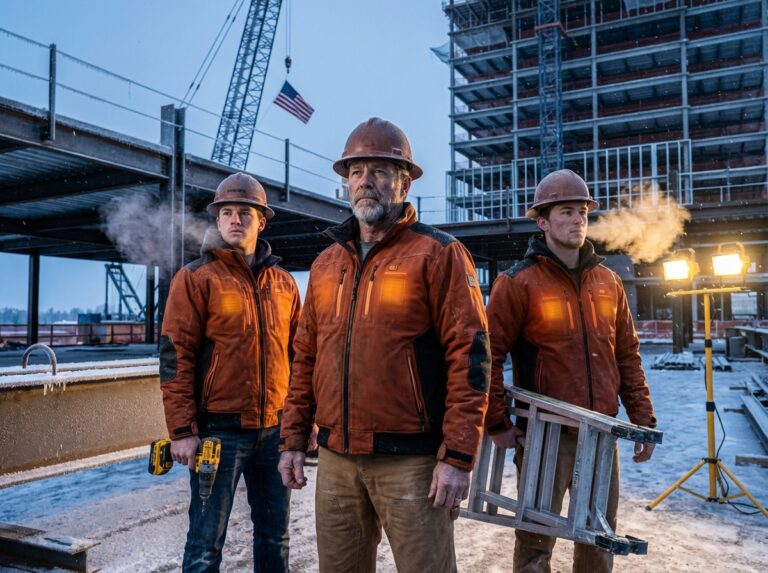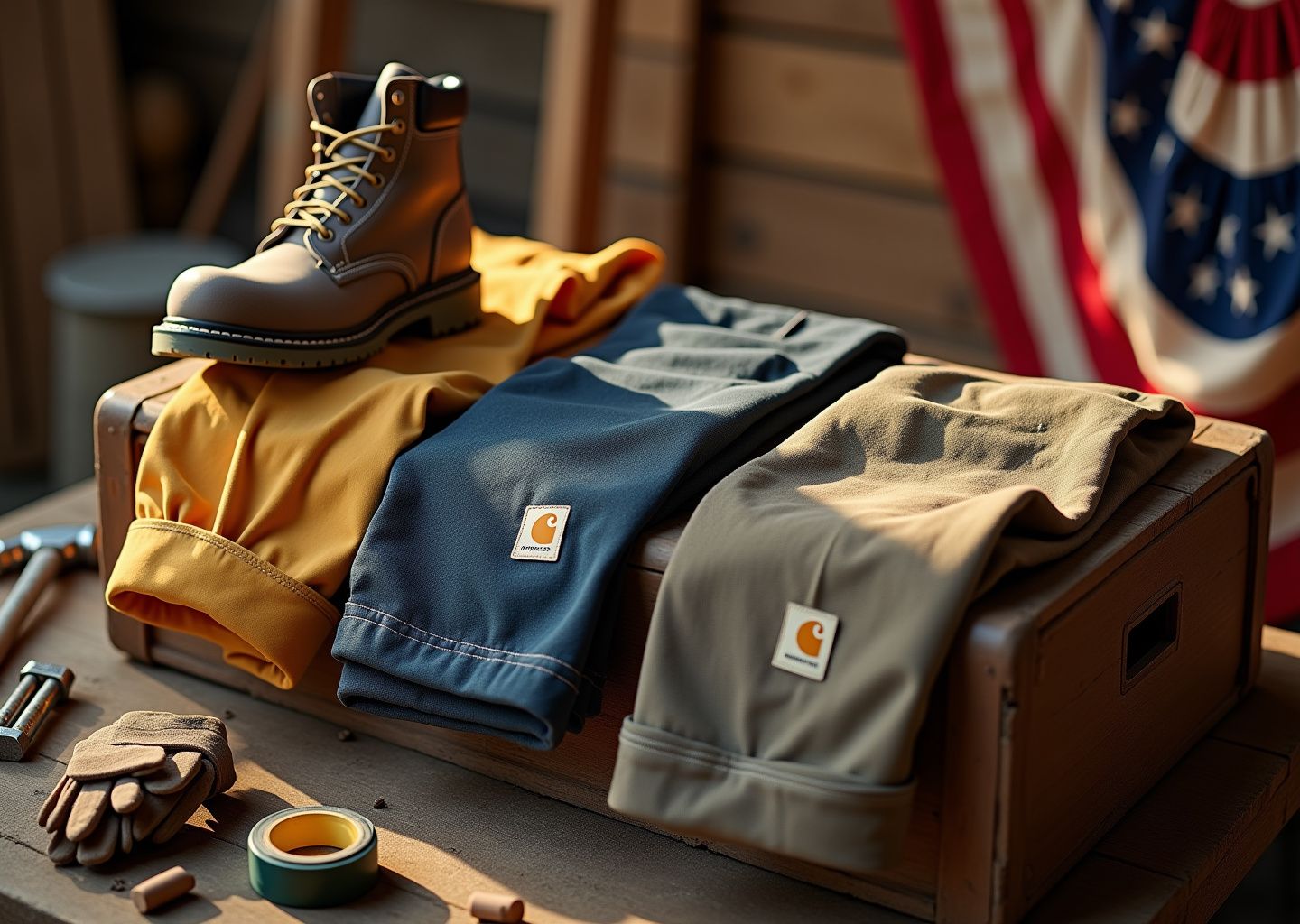
Carhartt and Dickies are two of the most common names in American workwear. This article compares their durability across jackets, pants, and overalls, examining materials, construction, testing methods, user feedback, and value for trade-specific needs. Read on for evidence-based buying advice to help safety managers and workers pick the right gear.
Brand backgrounds and durability positioning
When you’re standing in a store or browsing online, the sheer number of workwear options can be overwhelming. Yet, two names consistently rise to the top: Carhartt and Dickies. Both have built legacies on the promise of durability, but they approach that promise from fundamentally different perspectives. Understanding their histories and how they position themselves is the first step in choosing the right gear for your needs. It’s not just about which brand is “tougher,” but which brand’s definition of tough aligns with the demands of your workday.
Carhartt has been in the business of outfitting American workers since 1889. Founded by Hamilton Carhartt in Detroit, the company’s first products were bib overalls made for railroad workers, a trade that demanded gear that could withstand constant abrasion, heavy loads, and harsh weather. This origin story is central to Carhartt’s identity. The brand positions itself as the gold standard for heavy-duty, rugged protection. Their marketing and product design are built around the idea of creating armor for the toughest jobs on earth. This is workwear as an investment in personal safety and long-term performance.
This philosophy is embodied in their signature materials and products. The cornerstone of Carhartt’s reputation is its iconic firm-hand cotton duck canvas. This tightly woven, heavy fabric (typically 12 ounces per square yard) is famously stiff when new but breaks in over time to form a protective shell that is highly resistant to tearing and abrasion. Classic pieces like the Carhartt Detroit Jacket and the legendary B01 Double-Front Work Pants are prime examples. The double-front pants, with their two layers of duck canvas reinforcing the legs from thigh to shin, are the go-to choice for tradesmen like framers, concrete workers, and welders who spend their days kneeling, climbing, and working with abrasive materials. While the brand has evolved, introducing lines like Rugged Flex for improved mobility and Force for moisture-wicking performance, its core identity remains tied to this concept of uncompromising toughness. As a result, Carhartt typically targets workers in the most demanding fields: heavy construction, mining, logging, and agriculture. This premium positioning is reflected in their price. A pair of Carhartt double-fronts costs significantly more than most Dickies pants, a price justified by the sheer amount of heavy material and construction details like triple-stitched main seams and reinforced pockets.
Dickies, founded in 1922 in Texas, built its reputation on a different, though equally valid, principle of durability: reliability and value. Originally the Williamson-Dickie Manufacturing Company, they supplied millions of uniforms to the U.S. armed forces during World War II. This experience in mass-producing consistent, hard-wearing garments shaped their future. Dickies positions itself as the provider of the everyday workhorse uniform. Their approach to durability is less about withstanding extreme, singular events and more about enduring the daily grind of repeated wear, washing, and exposure to grease and grime. It’s about creating a product that is dependable, easy to care for, and affordable enough to be replaced without a second thought.
The quintessential Dickies product is the Original 874 Work Pant. Unlike Carhartt’s heavy cotton, the 874 is made from a midweight poly-cotton twill (typically 8.5 ounces per square yard). This fabric blend is the key to Dickies’ brand of durability. It’s exceptionally resistant to wrinkles and stains, holds a sharp crease, and can withstand the rigors of industrial laundering, making it a favorite for uniforms in manufacturing, automotive repair, and logistics. The durability here comes from the fabric’s resilience and colorfastness over hundreds of wash cycles. Dickies has expanded its offerings with the Industrial line, engineered for even more demanding wash-and-wear environments, and its own Flex collection to provide workers with greater range of motion. The target user for Dickies is incredibly broad, spanning from mechanics and factory workers to landscapers and delivery drivers. Its accessible price point makes it the default choice for companies outfitting entire crews and for individuals in trades where clothes get dirty and need to be cleaned or replaced often. The brand’s marketing reflects this, focusing on themes of trust, performance, and being the smart, practical choice for the modern worker.
Ultimately, the choice between the two often comes down to the specific job and budget. Carhartt is the specialist in heavy-duty protection, offering gear that feels substantial and is built to last through years of abuse. Dickies is the generalist, providing reliable, functional workwear that offers incredible value and stands up to the daily routine. It is always a good practice to check the latest product specifications before buying, as both brands are constantly innovating with ongoing expansions into performance fabrics and women’s-specific fits. These brand identities are built on more than just marketing claims; they are the direct result of deliberate choices in materials, design, and construction.
This foundational understanding of how each brand views durability sets the stage for a more granular analysis. A brand’s reputation is one thing, but the true measure of a garment’s longevity lies in its physical components and how they perform under stress. The real story is told in the weight of the fabric, the quality of the stitching, and the strength of the hardware. Now, we will move beyond brand positioning to examine these critical elements side-by-side.
Side by side durability factors and real world performance
When you move past brand reputation, the real difference between Carhartt and Dickies comes down to the materials, the way they are put together, and how they hold up to the daily grind. Durability isn’t just a single feature; it’s a system of choices made by the manufacturer. Let’s break down those choices and see how they perform in the real world.
Materials and Fabric Weights
The fabric is the foundation of any work garment. Both brands use a variety of materials, but their signature choices reveal their core philosophies.
Carhartt’s Signature Duck Canvas
Carhartt built its name on heavyweight cotton duck, a type of canvas known for its tight weave and resistance to wind, water, and snags. Their classic firm-hand duck is a formidable 12 oz/yd² fabric that arrives stiff and requires a break-in period. This stiffness is a feature, not a bug; it’s a sign of the densely packed cotton fibers that provide exceptional abrasion resistance. Over time, it softens and molds to your body. For those who want comfort out of the box, their sandstone duck is pre-washed for a softer feel but offers slightly less initial abrasion resistance due to the finishing process. In recent years, Carhartt has integrated Rugged Flex technology, adding a small percentage of spandex (usually 1-2%) to their duck canvas. This provides much-needed mobility without a significant drop in durability for most tasks. You’ll also find Cordura nylon overlays on high-wear areas like pocket edges and kick panels on their higher-end pants, a material renowned for its best-in-class tear and abrasion strength.
Dickies’ Workhorse Twill
Dickies is synonymous with their 8.5 oz/yd² poly-cotton twill, the fabric used in their iconic 874 work pants. This blend, typically 65% polyester and 35% cotton, offers a different kind of durability. The polyester content provides excellent color retention, wrinkle resistance, and dimensional stability, meaning it won’t shrink or stretch easily. It also has a stain-release finish that makes it ideal for mechanics and anyone working around grease and oil. While lighter than Carhartt’s duck, this twill is densely woven and surprisingly tough for its weight. It excels in resisting repeated rubbing but is more susceptible to snags and tears from sharp objects compared to heavyweight canvas. Dickies also offers 100% cotton duck and canvas products, often in the 10-12 oz range, but the poly-cotton twill remains their most popular and defining material.
Seam and Construction Quality
A tough fabric is useless if the seams fail. This is where Carhartt often justifies its higher price.
Stitching, Bartacks, and Rivets
Carhartt’s hallmark is the triple-stitched main seam found on their jackets and pants. This involves three parallel rows of stitching, creating a redundant and incredibly strong seam that is highly resistant to being pulled apart. Dickies typically uses double-stitched main seams on their core workwear, which is strong and perfectly adequate for many jobs, but lacks the overbuilt nature of Carhartt’s construction. Both brands make extensive use of bartacks, a series of tight zigzag stitches, to reinforce stress points like the corners of pockets, belt loops, and the base of the zipper fly. Carhartt tends to use more of them, and they often feel more substantial. On their denim and some duck pants, Carhartt also uses metal rivets at pocket corners, a classic reinforcement technique that prevents the fabric from tearing under load.
Reinforced Zones
The most obvious construction difference is Carhartt’s widespread use of double-front pants, like the legendary B01. These pants feature a second layer of duck canvas sewn over the front from the thigh to below the knee. This doubles the protection against abrasion for trades that involve extensive kneeling, such as carpentry, concrete work, and flooring. These double-fronts also create a pocket for knee pads. While Dickies offers double-knee pants, they are less central to their product line, and the reinforcement is often a lighter version of their main fabric.
Hardware and Finishes
The small details matter. Zippers, buttons, and snaps are daily points of failure. Carhartt consistently uses heavy-duty brass YKK zippers on their flagship products, which are widely considered the industry standard for reliability. Dickies’ hardware is functional and reliable for the price point, but it can feel less substantial. The snaps and buttons on a Carhartt Detroit Jacket, for example, feel more robust than those on a comparable Dickies Eisenhower Jacket.
When it comes to finishes, Dickies’ stain-release treatment on their twill is a major advantage for messy jobs. Carhartt often treats its outerwear with a Durable Water Repellent (DWR) finish, providing better protection in light rain and snow.
Abrasion and Tear Resistance
While we can’t all run lab tests, understanding them helps interpret real-world results. Tests like the Taber Abrasion Test (measuring cycles until a fabric wears through) and tear strength tests quantify what we feel on the job. Independent tests, like those seen in some YouTube teardowns, often confirm the expected outcome: heavyweight Carhartt duck canvas consistently outperforms standard Dickies twill in pure abrasion and tear tests. One such torture test by Carl Murawski showed a pair of Carhartt B01s withstanding significantly more force before tearing compared to several competitors. The tight weave of the duck canvas prevents snags from escalating into full-blown tears more effectively than the diagonal weave of twill.
Field Durability and Trade-Specific Examples
In the real world, garments fail at predictable points.
- Knees: For anyone who kneels, from electricians to gardeners, the knees are the first to go. This is where Carhartt’s double-front design is a clear winner.
- Crotch: The crotch seam is a major failure point, especially for mechanics, plumbers, and anyone who squats frequently. A gusseted crotch, a diamond-shaped piece of fabric that reduces stress on the four-way seam, is the best defense. Both brands offer models with this feature, often in their “Flex” lines.
- Pocket Edges and Hems: The top edges of back pockets wear from rubbing, and the hems (or “kick panels”) at the bottom of the pant legs fray from dragging on the ground. Carhartt’s use of Cordura reinforcements on some models directly addresses this.
Maintenance, Repairability, and Warranty
How you care for your workwear drastically affects its lifespan. Washing 100% cotton duck in hot water and drying on high heat will cause significant shrinkage and accelerate wear; it’s best to wash cold and hang dry. Dickies’ poly-cotton blend is more forgiving and stable in the wash.
In terms of repair, Carhartt’s heavy canvas is exceptionally easy to patch. While Dickies’ straightforward construction also makes for simple repairs, the brand’s philosophy leans towards providing durable, affordable workwear that is easily replaceable at the end of its functional life.
Both brands offer a limited warranty covering manufacturing defects for the practical lifespan of the product, but this explicitly excludes damage from normal wear and tear, accidents, or improper care. Carhartt has also introduced the Carhartt Reworked program, where they repair and resell used gear, offering a sustainable option for extending a garment’s life. Dickies does not have a similar centralized repair service. Before purchasing, it is crucial to visit the official brand websites to read the full, up-to-date warranty policies.
Price-to-Durability and Buying Advice
This brings us to the final calculation: cost-per-wear. A $70 pair of Carhartt double-fronts might seem expensive next to a $35 pair of Dickies 874s. However, if the Carhartts last three years on a demanding job site while the Dickies last one, the Carhartt pants have a lower annual cost.
Here is some actionable advice based on your trade:
- For Heavy Abrasion (Construction, Masonry, Landscaping): Choose the Carhartt B01 Firm-Hand Double-Front Work Dungaree. The investment pays for itself in longevity. The heavyweight duck and double-front design are unmatched for this kind of work.
- For Welding and Metalwork: Look at Carhartt’s Flame-Resistant (FR) line. For general work with sparks, the tight weave of their standard heavyweight duck offers decent protection against light sparks and slag.
- For Oil, Grease, and Automotive Work: The Dickies 874 Original Work Pant is the classic choice for a reason. The poly-cotton twill’s stain-release finish is a huge advantage, and the durability is more than sufficient for a garage environment.
- For Light-Duty or High-Mobility Jobs (Warehousing, Carpentry, Electrical): Consider pants from either the Carhartt Rugged Flex or Dickies FLEX collections. The added stretch makes a world of difference in comfort, and the durability is still a step above standard apparel.
Frequently Asked Questions
How do the brands perform with flame or arc hazards — do they offer FR lines?
Both Carhartt and Dickies have dedicated and highly-regarded Flame-Resistant (FR) collections that are completely separate from their standard workwear. These FR garments are engineered with special materials and construction to meet strict safety standards like NFPA 70E for arc flash and NFPA 2112 for flash fire protection. Standard cotton duck or twill from either brand is not flame resistant and is dangerous to wear in environments with these hazards. Always verify a garment’s specific FR rating and compliance on its tag before use in a hazardous setting.
Can I wash and dry these garments in a commercial laundry?
While standard cotton and poly-cotton workwear from both brands can physically survive industrial laundering, the high-temperature water, harsh detergents, and high-heat drying will significantly shorten their lifespan. This process accelerates fabric wear, causes seams to shrink and weaken, and can lead to premature color fading and material breakdown. For FR-rated clothing, you must strictly adhere to the manufacturer’s washing instructions, as improper commercial laundering can strip the fabric of its protective properties.
What should I look for when buying used workwear?
When inspecting secondhand Carhartt or Dickies, focus on the high-stress areas that fail first. Carefully check the crotch seam for any thinning or separation, and examine the fabric at the knees and pocket corners for signs of abrasion. Test all hardware, running zippers up and down and fastening every snap to ensure they are secure. Pay close attention to the stitching along the main seams; if the thread is frayed or missing in spots, the garment’s structural integrity may be compromised.
Does a looser or tighter fit affect durability?
Yes, achieving the correct fit is a critical but often overlooked factor in a garment’s durability. A fit that is too tight puts constant tension on the seams, especially in the crotch, seat, and shoulders, which can lead to premature blowouts. Conversely, workwear that is excessively baggy is more likely to snag on rebar, machinery, or tools, causing rips and tears. Selecting the right cut for your body type ensures stress is distributed evenly across the garment as the designers intended.
Conclusion and buying recommendations
Our deep dive into materials and construction reveals a clear pattern in the Carhartt versus Dickies durability debate. Carhartt consistently leads in sheer toughness and protection against harsh elements, thanks to its signature heavyweight duck canvas and reinforced build. Dickies, however, excels in providing reliable, long-lasting performance with greater comfort and mobility at a more accessible price point, making it a versatile choice for a wide range of jobs.
For Heavy-Duty Trades (Framing, Demolition, Welding)
Your work demands the highest level of abrasion resistance and protection. The clear recommendation here is Carhartt. Prioritize garments made from their 12-ounce Firm-Hand or Washed Duck canvas. Key features to look for are triple-stitched main seams, rivet or bar-tack reinforcements at critical stress points like pocket corners, and double-front panels on pants for knee durability. Heavy-duty brass zippers and metal buttons will outlast plastic alternatives in high-stress environments. To maximize the life of these garments, wash them inside out in cold water to reduce fading and fabric stress. Avoid high-heat drying, which can cause shrinkage and accelerate wear; air drying is best. Promptly patching small rips with a heavy-duty canvas patch will prevent them from becoming catastrophic failures.
For Medium-Duty Trades (Electricians, Plumbers, Mechanics)
You need a balance of durability, mobility, and utility. Both brands offer excellent options, but your choice depends on your primary need. If you prioritize flexibility and movement, Dickies FLEX fabric is an outstanding choice. Their 8.5-ounce twill pants also provide a fantastic blend of toughness and comfort that breaks in quickly. If you lean more towards durability but still need movement, look at Carhartt’s Rugged Flex or Full Swing lines. These integrate stretch technology into durable canvas without significant compromise. For either brand, focus on pocket configuration and tool loops that suit your workflow. Maintenance for these garments involves pre-treating grease and oil stains before washing. The polyester blends common in Dickies workwear are quite resilient to stains but can be damaged by excessive heat in the dryer.
For Light-Duty and Safety-Conscious Workplaces (HVAC, Facility Maintenance, Logistics)
In these roles, a professional appearance, comfort, and specific safety features often outweigh raw abrasion resistance. Dickies is generally the superior choice here. Their lightweight twill and poplin fabrics are comfortable for all-day wear, and many products feature stain-release and wrinkle-resistant finishes that keep you looking sharp. When safety is paramount, both brands offer dedicated high-visibility and flame-resistant (FR) lines. Your choice should be dictated by your workplace’s specific ANSI or NFPA requirements. Garment care is straightforward; most of these items are designed to withstand industrial laundering. Always confirm the care tag, especially for FR clothing, as improper washing can compromise its protective properties.
For the Budget-Conscious Buyer
When every dollar counts, you cannot beat the value proposition of Dickies. Their iconic 874 Work Pant and Eisenhower Jacket deliver legendary durability for their price, a fact proven over decades of real-world use. These core products are built from tough polyester/cotton twill that resists wear and tear exceptionally well. To get the most for your money, stick to these classic, time-tested models and look for multi-pack deals. Their simple construction and robust fabric mean they require minimal special care. A cold water wash and low-heat dry will keep them in service for years, making them the most economical choice for individuals or companies outfitting a crew.
Ultimately, your decision can be simplified.
- If your primary need is maximum physical protection against extreme abrasion, heavy materials, and rough environments, choose Carhartt and invest in their heavyweight duck canvas gear.
- If you require all-day comfort, freedom of movement, and solid durability for a variety of tasks at an excellent price, choose Dickies and their versatile twill or FLEX products.
- If you need certified FR or high-visibility protection, evaluate the specialized lines from both brands against your specific job site requirements.
Before you buy, we strongly recommend visiting the official Carhartt and Dickies websites to verify the latest product specifications, check current FR certifications, and understand the full warranty terms. Remember that your workwear is a critical component of your overall personal protective equipment. Ensure it integrates properly with your safety boots, fall protection harness, and any required high-visibility layers to maintain full safety compliance on the job.
Sources
- Carhartt vs. Dickies: Workwear Pant Showdown – YouTube — Carhartt vs. Dickies: Workwear Pant Showdown | Full Teardown, Durability Test, & Review · Comments.
- Dickies vs Carhartt: Which Workwear Brand Comes Out on Top? — Both Dickies and Carhartt use high-quality fabrics and construction methods designed for durability and wear resistance in even the toughest work environments.
- Dickies vs Carhartt: Which Workwear Brand Actually Holds Up? — … Carhartt: Which gear holds up on the job? We compare fabric, durability, fit, and price to show when Dickies work and when Carhartt duck wins.
- Dickies Eisenhower Jackets vs. Carhartt Detroit … – Dave's New York — The Carhartt jacket does feel heavier and is great for the colder months. The Dickies jacket is lighter in weight due to the differences in …
- The Ultimate Work Pants Torture Test – by Carl Murawski — While not a perfect test, the Carhartt B01 won by a large margin, taking over 300lbs to tear! 1620 Workwear took second, and Patagonia Workwear …
- Carhartt vs Dickies: Which Workwear Brand Is Best in 2025? — … compare Carhartt vs Dickies work pants, jackets, hoodies, and shirts with a focus on durability, comfort, fit, and value for money. No …
- Dickies vs. Carhartt: Which brand is better? [2026] – Apart Style — Which brand is more durable? Carhartt generally has the edge in durability. Their use of heavy-duty duck canvas, triple-stitching, and reinforced panels makes …